
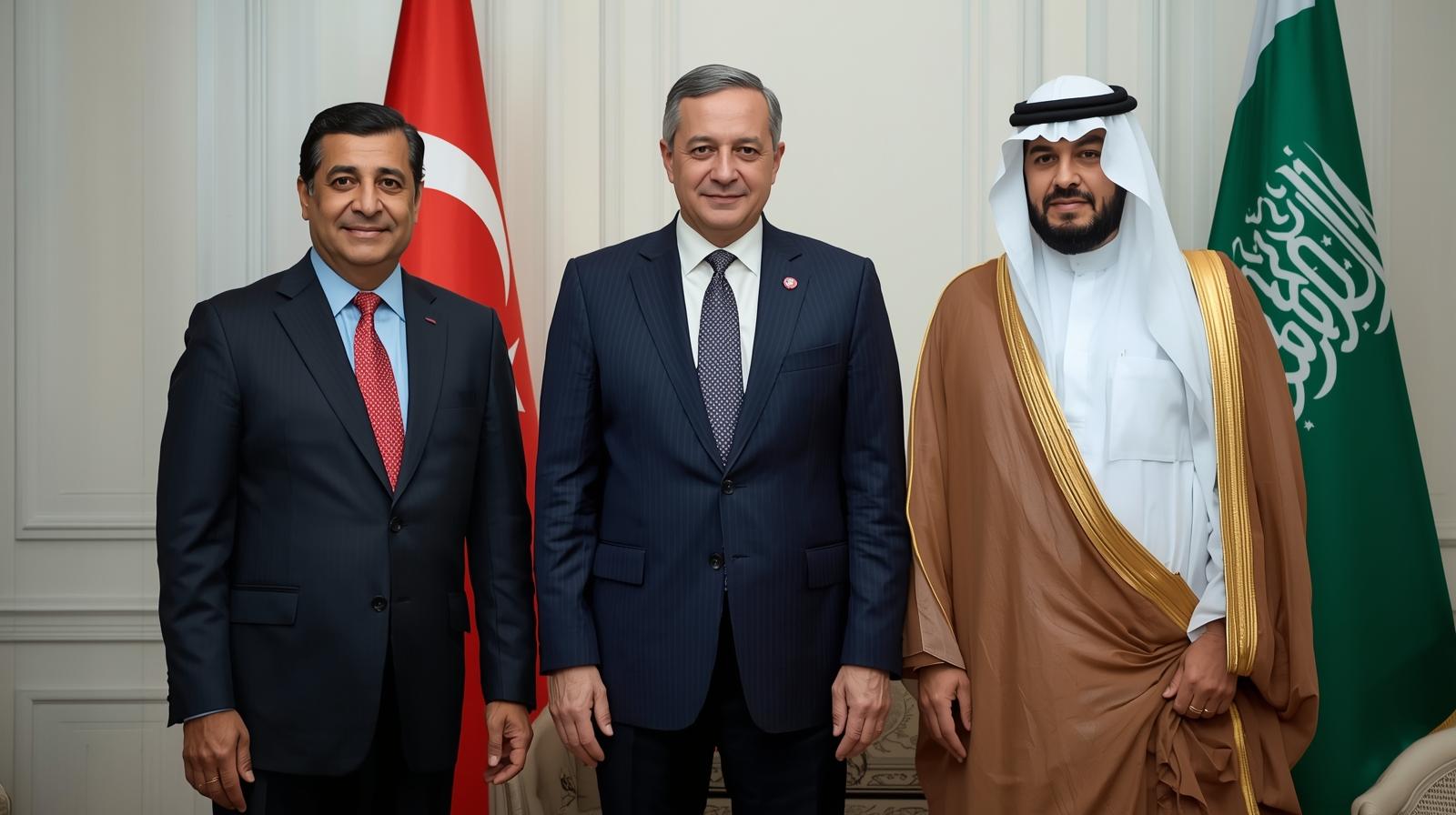
Saudi Funding, Pakistan’s Nuclear Shield, Turkey’s Military Might: Inside the ‘Islamic NATO’ Plan. Turkey is in talks to join a Saudi Arabia–Pakistan security arrangement that mirrors NATO’s collective defence model, signalling a major geopolitical shift across the Islamic world.
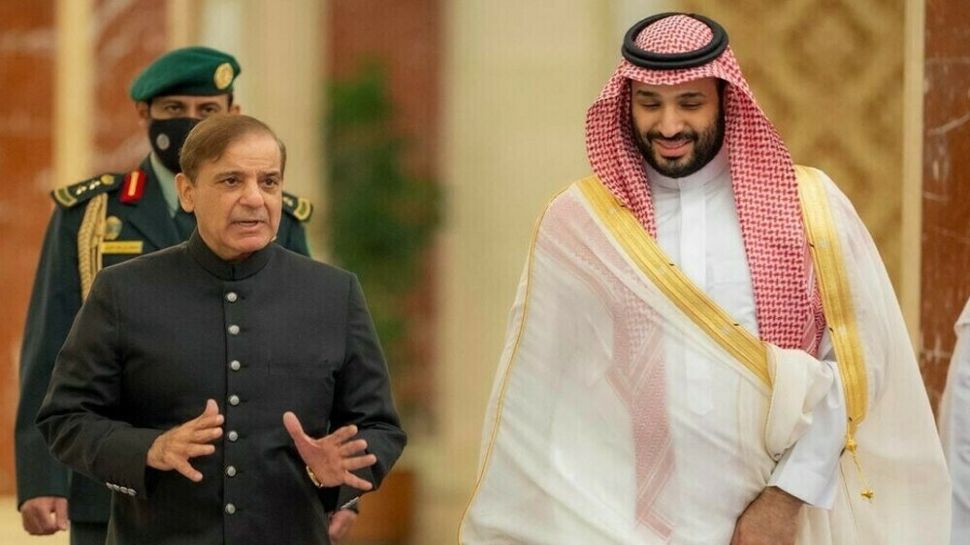)
Turkey’s reported move to join a Saudi Arabia–Pakistan security arrangement is signalling what could become one of the most consequential geopolitical shifts in the Islamic world in recent years. Modelled loosely on NATO’s collective defence principle—where an attack on one member is treated as an attack on all—the emerging framework is increasingly being referred to by analysts as an “Islamic NATO.
”According to a Bloomberg report, discussions around the alliance have moved well beyond the exploratory stage. What began as a bilateral understanding between Riyadh and Islamabad is now evolving into a broader, more structured security architecture, with Ankara playing a central role.
Saudi Funding, Pakistan’s Nuclear Shield, Turkey’s Military Might: Inside the ‘Islamic NATO’ Plan From Riyadh and Islamabad to Ankara
The original Saudi Arabia–Pakistan agreement focused on mutual security assurances, military cooperation, and strategic deterrence. Recent developments, however, suggest that Turkey’s entry could significantly expand both the scope and ambition of the pact.
Each participant brings a distinct strategic advantage to the table. Saudi Arabia, with its vast financial resources, is expected to underwrite much of the alliance’s funding. Pakistan, the only Islamic country with declared nuclear weapons, would provide nuclear deterrence, ballistic missile capability, and experienced military manpower. Turkey, meanwhile, would contribute operational expertise, advanced conventional forces, and a rapidly growing domestic defence industry that has gained global recognition in recent years.
This division of responsibilities reflects shifting regional realities, said Nihat Ali Özcan, a strategist at Ankara-based think tank TEPAV. As traditional security guarantees become less predictable, regional powers are increasingly seeking new mechanisms to safeguard their interests.
Saudi Funding, Pakistan’s Nuclear Shield, Turkey’s Military Might: A Response to Changing Global Alignments
Analysts point to the declining certainty around Western-led security frameworks as a major driver behind the initiative. With the United States increasingly prioritising its own strategic interests—and those of Israel—in the Middle East, countries like Turkey, Saudi Arabia, and Pakistan are reassessing their long-term defence dependencies.
Regional conflicts, rising geopolitical tensions, and the spillover effects of wars in the Middle East and beyond have further accelerated this recalibration. The proposed alliance is seen as an attempt to create a self-reliant security structure capable of responding to threats without excessive reliance on Western powers.
Sources familiar with the discussions say Turkey’s inclusion is a logical progression. Ankara’s strategic interests are increasingly converging with those of Riyadh and Islamabad across South Asia, the Middle East, and parts of Africa. Defence cooperation, intelligence sharing, and joint military planning are reportedly central to ongoing talks.
Military Coordination Takes Shape
Signs of practical coordination are already emerging. Turkey’s Ministry of National Defence recently confirmed that the three countries held their first-ever trilateral naval meeting in Ankara earlier this week. The meeting focused on maritime security, joint exercises, and avenues for deeper operational collaboration.
While officials have stopped short of confirming a formal treaty, the naval talks are being viewed as a clear indication that the alliance is moving from concept to implementation.
Turkey’s defence industry, which has expanded rapidly through the development of drones, armoured vehicles, naval platforms, and missile systems, is expected to play a key role. For Saudi Arabia and Pakistan, closer ties with Ankara could offer access to advanced military technologies and joint production opportunities.
A New Power Bloc on the Horizon?
If formalised, the Saudi Arabia–Pakistan–Turkey security framework could reshape regional power dynamics. By combining financial muscle, nuclear deterrence, and advanced military-industrial capacity, the bloc would represent a formidable force across multiple theatres.
Experts caution, however, that such an alliance could also complicate existing relationships, particularly with Western allies and regional rivals. Questions remain over the pact’s legal structure, decision-making mechanisms, and how closely it would mirror NATO’s Article 5 commitment.
Nevertheless, as global alliances continue to shift, Ankara’s potential entry into this emerging security architecture underscores a broader trend: regional powers are increasingly taking defence matters into their own hands. If realised, the so-called “Islamic NATO” could mark a defining moment in the evolution of security cooperation across the Islamic world.
Disclaimer: This information is based on various media reports and leaks.