Iran in Turmoil Nationwide Protests and Deadly Crackdowns Shake the Islamic Republic: Iran, the Islamic Republic long at the center of Middle East geopolitics, is experiencing one of the most consequential periods of . What began in late December 2025 as protests over economic hardship has swiftly escalated into a nation-wide confrontation between civilians and the state — with violent crackdowns, international tensions, and widespread calls for political change.
Iran in Turmoil Nationwide Protests of The Spark Economic Pain and Social Frustration
The unrest traces back to deepening economic woes — soaring inflation, plummeting currency value, and chronic unemployment have squeezed ordinary Iranians. Markets, particularly bazaars in Tehran, became early flashpoints as shopkeepers and merchants protested losses tied to the economic collapse.
These demonstrations, initially against rising living costs and perceived government mismanagement, rapidly broadened into demands for sweeping political reforms, with slogans challenging the legitimacy of Iran’s unelected leadership and clerical structure.
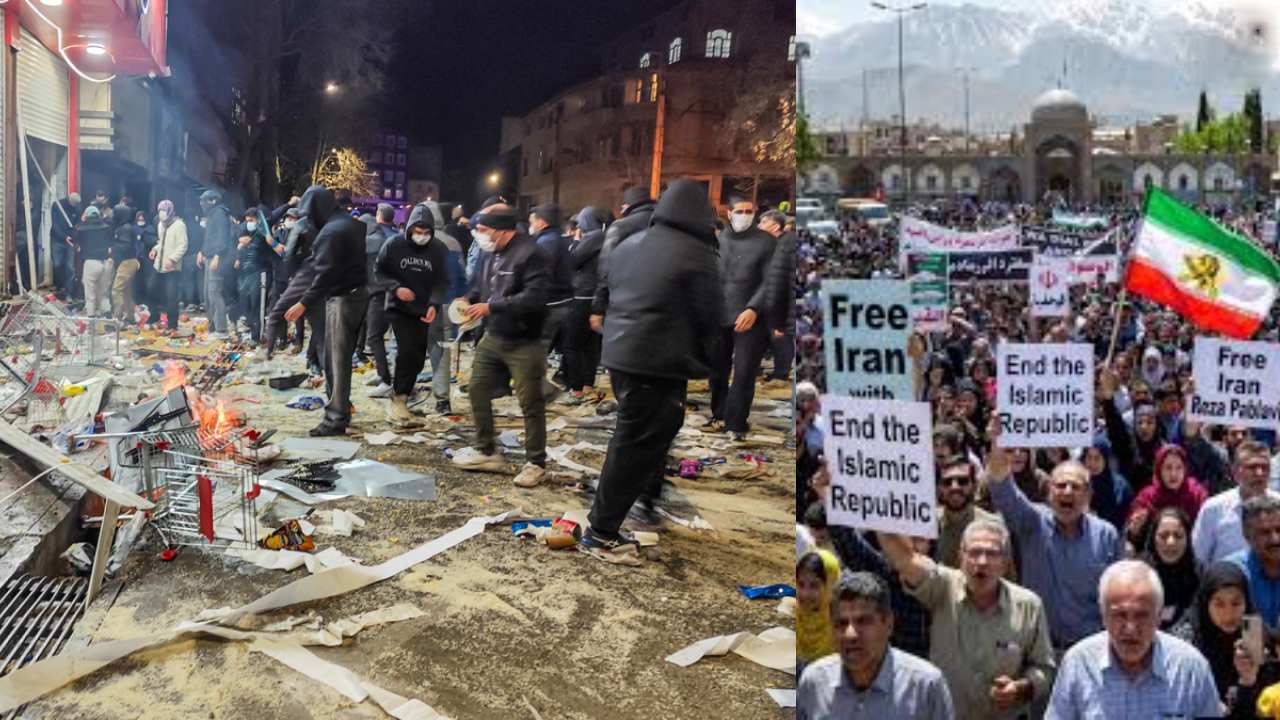
Turmoil in Iran, with widespread protests leading to large-scale mobilization and escalating violence.
Since December 28, 2025, protests have spread across cities and towns. According to independent tallies, tens of thousands have taken to the streets demanding an end to the clerical regime.
The government response has been severe and brutal. Security forces, including the Islamic Revolutionary Guard Corps (IRGC) and Basij militia, have used live ammunition, tear gas, and mass arrests to disperse protests. Human rights groups report that thousands have been killed and arrested, with casualties among civilians far outnumbering those of security forces.
Internet blackouts imposed by authorities further obscured reporting and communication, cutting off most international access to Iranian websites and making independent verification of events more difficult.
The Human Cost and Controversies
Amid the upheaval, horrific incidents have drawn global condemnation. Reports emerged of security forces attacking hospitals treating wounded protesters, reportedly injuring patients and medical staff — a move critics say violates international humanitarian norms.
Additionally, social media has been flooded with poignant imagery and stories. One viral video features an Iranian woman in Canada burning a photo of the Supreme Leader, a symbolic act of resistance that resonated globally despite debates about its authenticity.
The turmoil in Iran, fueled by widespread protests, has led to international reactions and diplomatic pressure.
The crisis in Iran has not remained internal. Global and regional powers are closely monitoring the situation:
- United States: In Washington, discussions have included military options, with public warnings against executions and hostile acts by Iran’s leadership. The US has also imposed new sanctions targeting Iranian energy and shipping networks, significantly expanding economic pressure.
- UN and Allies: A UN Security Council meeting underscored international concern over human rights violations, and diplomacy continues amid escalating tensions.
- Regional Dynamics: While some states fear the unrest might destabilize the broader Middle East, others worry that military escalation could lead to broader conflict, particularly given the past 2025 tensions involving attacks on nuclear sites and fallout with neighboring Israel.
Economic Ripple Effects
Iran’s crisis nonetheless has global implications. The country is a significant oil producer, and even political instability can disrupt markets. Analysts have noted short-term volatility in crude oil prices tied to fears of supply disruptions and geopolitical risk.
From an industry perspective, sanctions and diplomatic isolation further strain Iran’s economy, weakening foreign investment and trade relationships — including strategic projects such as the Chabahar port development, which India must now navigate under renewed sanctions pressures.
The Road Ahead: Uncertain Prospects
The situation in Iran remains highly fluid:
- Protesters show no sign of abandoning calls for reform.
- The government appears determined to suppress dissent by force.
- Diplomacy and sanctions are likely to intensify, even as international actors debate potential military involvement.
- Domestic Internet and communications restrictions continue to hinder independent reporting.
Many observers see the current moment as a potential turning point in Iran’s modern history — possibly the most significant since the 1979 revolution. Whether these pressures will produce structural change or further entrench authoritarian rule remains uncertain, but one thing is clear: the world’s eyes are fixed on Tehran.
Disclaimer: This information is based on various media reports and leaks.