
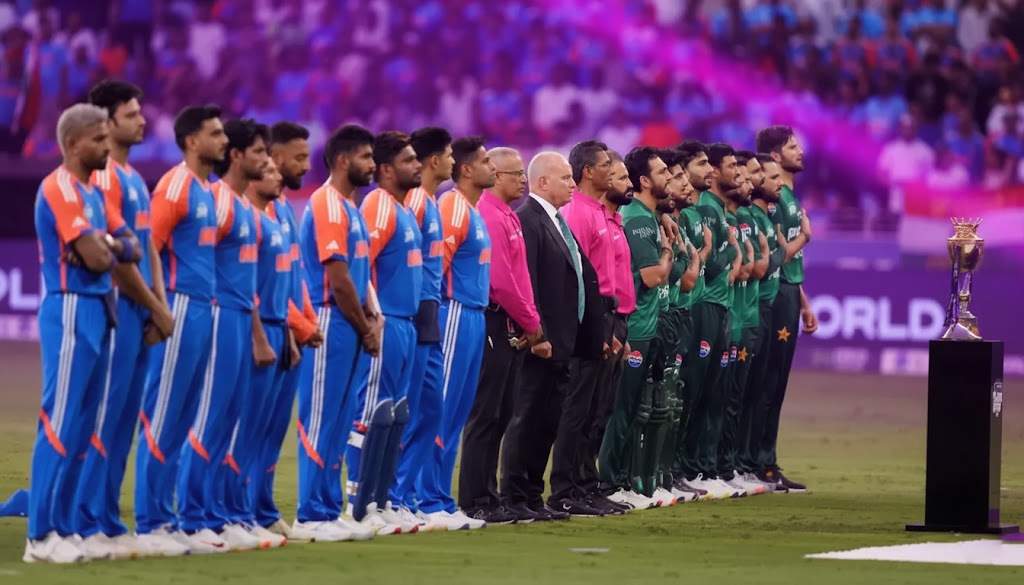
India vs Pakistan T20 World Cup: The cricketing world is currently gripped by a high-stakes standoff that transcends the boundary ropes. As the 2026 ICC Men’s T20 World Cup gets underway, the most anticipated fixture on the calendar—India vs. Pakistan, scheduled for February 15 in Colombo—hangs in a delicate balance.
Following a dramatic boycott announcement by the Pakistan government, new reports suggest the Pakistan Cricket Board (PCB) is now open to a “U-turn.” However, this reconsidered stance comes with a list of heavyweight conditions presented to the International Cricket Council (ICC) that could reshape the governance and etiquette of the sport.
India vs Pakistan T20 World Cup the Root of the Row: The Bangladesh Factor
The controversy ignited when the ICC removed Bangladesh from the T20 World Cup roster, replacing them with Scotland. The decision followed the Bangladesh Cricket Board’s (BCB) refusal to travel to India for their group matches, citing security concerns.
In a show of solidarity, Pakistan’s Prime Minister Shehbaz Sharif initially confirmed that the national side would not take the field against India. The PCB accused the ICC of “double standards,” arguing that Bangladesh’s concerns were ignored while the interests of bigger boards were prioritized. This move triggered a crisis for the ICC, as the India-Pakistan clash is estimated to be worth nearly $500 million in broadcast and sponsorship revenue.
The PCB’s Three “Deal-Breaker” Demands
With back-channel talks now reaching a fever pitch in Lahore, the PCB has reportedly listed three key conditions to reverse their boycott:
- Increased ICC Revenue Share: Pakistan currently receives approximately $34.5 million annually from the ICC revenue pool. Arguing that their participation is the primary driver for global viewership and broadcast deals, the PCB is demanding a larger slice of the financial pie.
- Resumption of Bilateral Series: The two rivals haven’t played a bilateral series since 2013. The PCB wants the ICC to mediate with the BCCI to resume home-and-away tours—a demand that remains unlikely to succeed given that the Indian government holds the final say on cross-border travel.
- End to the “No-Handshake” Policy: Following the recent Pahalgam terror attack, the Indian team notably avoided the customary pre- and post-match handshakes during the 2025 Asia Cup. Pakistan is demanding a return to traditional on-field etiquette to preserve the “Spirit of Cricket.”
“The U-Turn is Coming”: Irfan Pathan Weighs In
Former India all-rounder Irfan Pathan hasn’t minced words regarding the drama. Speaking on his YouTube channel, Pathan predicted that Pakistan would inevitably buckle under the pressure of potential ICC sanctions.
“Pakistan has decided to boycott, but that U-turn can happen anytime now. The real question is: even if they play, can they challenge India? We beat them thrice in the 2025 Asia Cup. It’s total dominance right now.”
Pathan’s comments reflect a growing sentiment that the boycott threat may be more about leverage than a genuine intent to skip the match. If Pakistan fails to show up on February 15, they risk losing two vital points, massive financial penalties, and a potential ban from future ICC events.
High-Level Diplomacy in Lahore
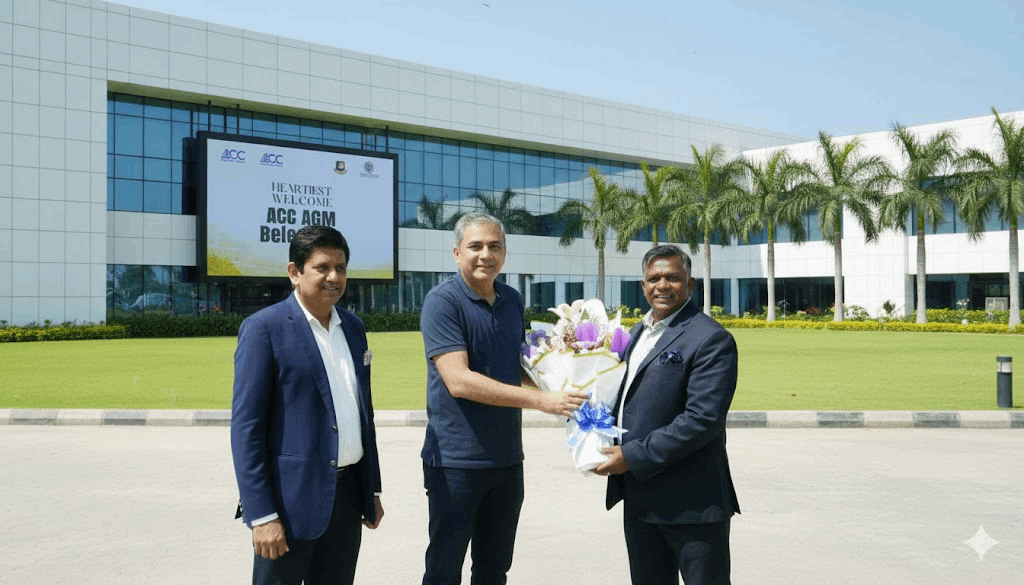
The tension has brought global cricket administrators to Pakistan’s doorstep. BCB President Aminul Islam arrived in Lahore this weekend to meet with PCB Chairman Mohsin Naqvi. They are joined by ICC Deputy Chair Imran Khwaja, who is leading the negotiations to find a “mutually acceptable resolution.”
Reports from news agency IANS suggest a 99% chance that the match will proceed as scheduled. The ICC has already paused ticket sales for the Colombo fixture to avoid a logistical nightmare, but sources indicate that a formal announcement of the U-turn could come within the next 48 hours.
What’s at Stake?
For the ICC, the loss of this match would be a commercial catastrophe. For the fans, it’s about the “Spirit of the Slopes” (or in this case, the pitch).
- India’s Stance: Captain Suryakumar Yadav confirmed the team is ready and their “flight is booked” for Colombo.
- Pakistan’s Reality: A boycott could lead to a catastrophic drop in their global standing and financial stability.
As both teams have already won their opening matches of the tournament, the February 15 clash is not just a political statement—it’s a critical battle for Group A supremacy.
Disclaimer: This information is based on various inputs from news agency.