
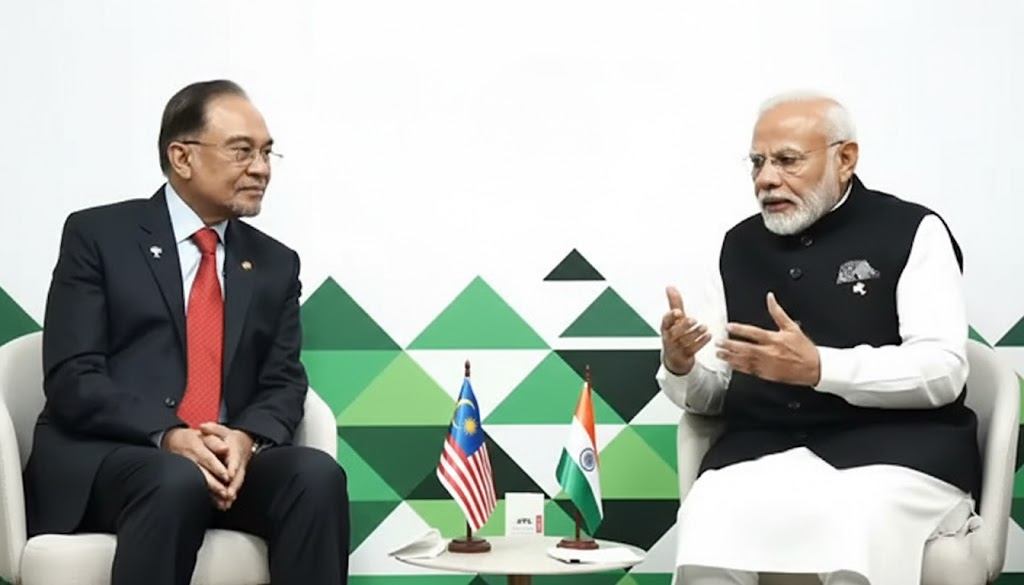
KUALA LUMPUR, February 7, 2026 –Bridging the Bay: PM Modi’s Landmark 2026 Visit to Malaysia Sets New Strategic Milestones. In a powerful display of the “Act East” policy in action, Prime Minister Narendra Modi arrived in the Malaysian capital today for a high-stakes two-day official visit. The trip, marking his first foreign engagement of 2026, is set to solidify the Comprehensive Strategic Partnership (CSP) elevated just 18 months ago and signals a new era of deep-seated cooperation in defense, semiconductors, and digital innovation.
A Special Reception: Friendship in Motion
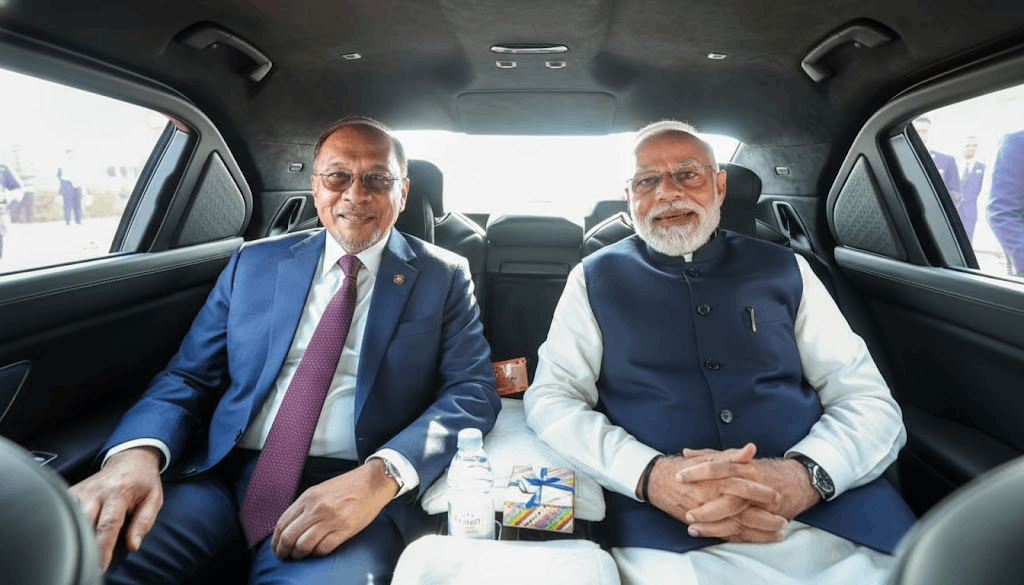
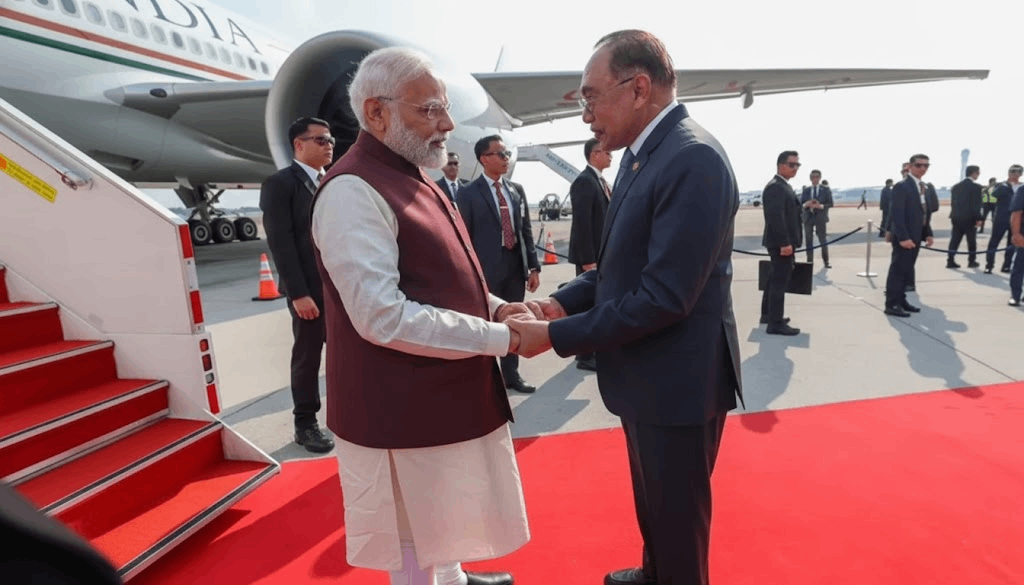
Bridging the Bay: PM Modi’s Landmark 2026 Visit to Malaysia Sets New Strategic Milestones. The visit began with a rare and highly symbolic gesture of personal rapport. Breaking standard protocol, Malaysian Prime Minister Anwar Ibrahim personally received PM Modi at the Kuala Lumpur International Airport.
The warmth was palpable as the two leaders, who have consistently described each other as friends, shared a car ride from the airport to the official hotel. This “car diplomacy” mirrors past instances of close-knit leadership and highlights the personal chemistry driving the India-Malaysia relationship forward.
“The gesture of personally receiving me and sharing a car ride reflects PM Ibrahim’s deep love and respect for India,” PM Modi told a cheering crowd of the Indian diaspora later that afternoon.
Accompanied by External Affairs Minister Dr. S. Jaishankar, PM Modi was also greeted by Malaysian Minister of Human Resources Dato’ Sri Ramanan Ramakrishnan and Deputy Foreign Minister Dato’ Lukanisman bin Awang Sauni.
The Strategic Agenda: Defense and High-Tech
Bridging the Bay: PM Modi’s Landmark 2026 Visit to Malaysia Sets New Strategic Milestones.While the optics of the welcome were friendly, the agenda for Sunday’s delegation-level talks is strictly business. This visit is the first since ties were elevated to a Comprehensive Strategic Partnership in August 2024, and the focus has shifted toward hard-power collaboration and technological self-reliance.
1. Defense Modernization and Maintenance
India is aggressively pitching its defense manufacturing capabilities to Malaysia. Key items on the table include:
- Dornier 228 Aircraft: India is exploring the sale of these HAL-manufactured maritime surveillance planes to meet the Malaysian Coast Guard’s requirements.
- SU-30 and Scorpene Support: Since both nations operate Russian-origin SU-30 fighter jets and French-origin Scorpene submarines, India has offered its extensive expertise for mid-life upgrades, maintenance, and retrofitting.
- Naval Platforms: Discussions are underway regarding the supply of Indian-built naval ships to bolster Malaysia’s maritime security.
2. The Semiconductor Link
Malaysia is a global powerhouse in the semiconductor industry, accounting for nearly 30% of global exports in assembly and testing. India, looking to establish its own semiconductor mission, is seeking:
- G2G Agreements: Formalizing research and fabrication collaborations.
- Joint Ventures: Encouraging private Indian firms to partner with Malaysian giants to build testing and packaging facilities in India.
Engaging the “Living Bridge”: The Indian Diaspora
Malaysia is home to nearly 2.9 million people of Indian origin, forming one of the largest and most influential Indian diasporas globally. Addressing a vibrant community event, PM Modi lauded the diaspora as the “living bridge” that sustains the historic civilizational ties between the two nations.
“Your presence here is a testament to the diversity and strength of our shared culture,” Modi remarked, noting that despite missing the ASEAN Summit in Kuala Lumpur last year, he had made it a priority to return as his first foreign trip of the new year.
Historical Context and Future Outcomes
The diplomatic relationship, established in 1957, was once defined by the personal friendship between Jawaharlal Nehru and Tunku Abdul Rahman. Today, under the leadership of Modi and Ibrahim, the focus has expanded to include:
- Economic Corridors: Moving beyond traditional trade in palm oil and mineral fuels toward electronics and organic chemicals.
- Security Concerns: Reports suggest India will reiterate its request for the extradition of controversial preacher Zakir Naik during the official talks.
- Sustainability: Both nations are expected to finalize a framework for the International Big Cat Alliance (IBCA) and disaster management cooperation.
What Happens Next?
The official state business begins tomorrow, Sunday, February 8, at the Perdana Putra Building. The schedule includes:
- One-on-one meeting between the two Prime Ministers.
- Exchange of MoUs in areas of semiconductor fabrication, healthcare, and vocational training (TVET).
- Joint Press Statement outlining the roadmap for the next decade of the partnership.
As PM Modi concludes his visit with an official lunch at Seri Perdana before flying back to India, the takeaway is clear: India and Malaysia are no longer just neighbors; they are becoming essential strategic anchors for each other in the Indo-Pacific.
Disclaimer: This information is based on various inputs from news agency.