
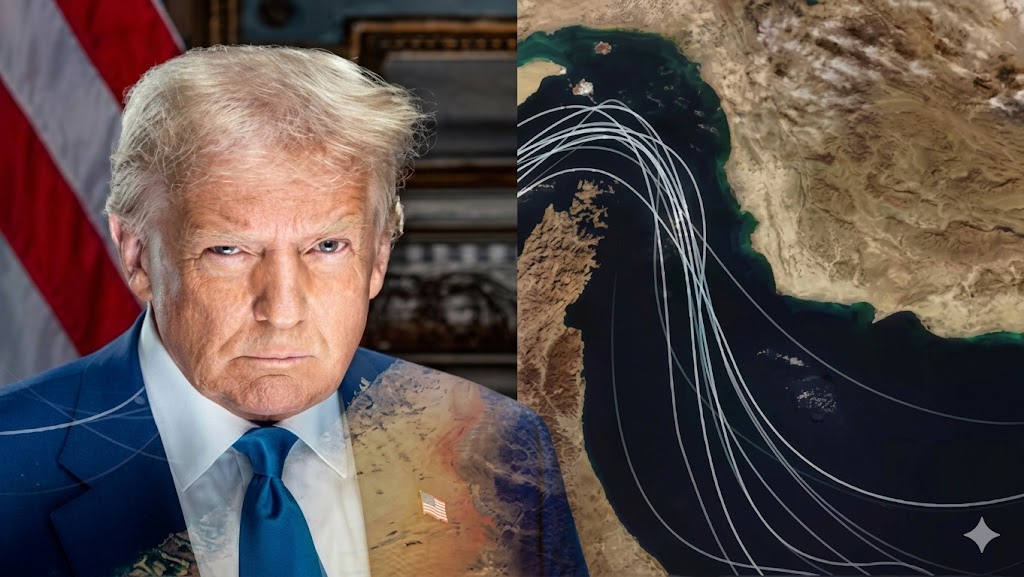
Trump Signals Readiness to End Iran War: In a move that has sent shockwaves through global energy markets and diplomatic circles, President Donald Trump has reportedly signaled a significant pivot in his administration’s military strategy regarding the ongoing conflict with Iran. According to sources close to the administration and reports from the Wall Street Journal, the President has informed aides that he is “willing to end” active military operations against Tehran—even if the Strait of Hormuz, the world’s most critical oil chokepoint, remains largely closed to international shipping.
This development marks a stark departure from the aggressive rhetoric of the past fortnight, during which the President threatened to “obliterate” Iran’s civilian infrastructure if the passage was not immediately reopened. The shift highlights a pragmatic, if controversial, recalibration of American interests, prioritizing a swift exit from active hostilities over the immediate restoration of global trade routes.
The Four-to-Six Week Timeline: Why Washington is Pivoting
Shift in Strategy: Trump Signals Readiness to End Iran War Despite Hormuz : Blockade At the heart of this strategic shift is President Trump’s desire for a “quick win” rather than a prolonged quagmire. The current conflict, which began on February 28 under the banner of “Operation Epic Fury,” was designed to be a decisive blow against the Iranian regime. However, military advisors have reportedly cautioned the President that a full-scale operation to forcibly reopen the Strait of Hormuz would be a “complex operation” requiring a commitment of resources and time that exceeds his preferred four-to-six-week timeline.
Strategic Priorities
Rather than getting bogged down in the maritime complexities of the Persian Gulf, the administration has decided to focus on what it deems “core objectives”:
- Hobbling the Iranian Navy: Neutralizing Tehran’s ability to project power in the Gulf.
- Depleting Missile Stocks: Reducing the threat of retaliatory strikes against U.S. assets and regional allies.
- Nuclear Deterrence: Ensuring that Iran’s nuclear capabilities remain crippled following the initial strikes on Isfahan and other key sites.
White House Press Secretary Karoline Leavitt reinforced this stance on Monday, noting that while the U.S. is “working towards” restoring normal operations in the Strait, it is no longer listed as a primary military objective. By de-linking the end of the war from the opening of the waterway, Trump appears to be looking for a way to declare “mission accomplished” on the military front while leaving the economic fallout to be resolved through diplomacy or allied intervention.
The “Not Our Problem”Doctrine: Shifting the Burden to Allies
Shift in Strategy: Trump Signals Readiness to End Iran War Despite Hormuz :
A significant factor in the President’s decision is the assessment that the Strait of Hormuz matters far more to foreign economies than it does to the United States. Thanks to the American shale revolution, the U.S. has achieved a level of energy independence that shields it from the most immediate effects of a Gulf blockade.
In contrast, the closure is catastrophic for:
- India: Approximately 80% of India’s energy imports pass through this narrow corridor.
- East Asia: Major economies like Japan, South Korea, and China rely on the Strait for the vast majority of their crude oil.
- Europe: While diversifying, Europe remains highly sensitive to the global oil price volatility triggered by the halt of 15 million barrels of crude per day.
The Trump administration’s plan involves pressuring European and Gulf allies to take the lead in reopening the Strait if diplomatic efforts with Tehran fail. This “America First” approach suggests that if the world wants its oil back, the world—not just the American taxpayer—must pay for or execute the security operations required.
“The President reportedly assessed that a mission to pry open the chokepoint would push the conflict beyond his timeline… he would leave a ‘complex operation’ to reopen the chokepoint for a ‘later date’.” — Wall Street Journal Report
Iran’s Counter-Move: Sovereignty and Tolls
As the U.S. considers winding down military actions, Tehran is attempting to codify its control over the waterway. Iran’s Parliamentary Security Commission recently passed a plan to impose a “Strait of Hormuz Toll” on all passing vessels.
This plan aims to institutionalize Iran’s blockade by:
- Charging Rial-denominated tolls for passage.
- Prohibiting passage for any vessels belonging to the United States or Israel.
- Establishing new “security arrangements” that would effectively require ships to submit to Iranian maritime authority to ensure “safety.”
State-run broadcaster IRIB described the move as an assertion of sovereignty. By transforming a wartime blockade into a permanent financial and political gatekeeping mechanism, Iran is attempting to create a “new normal” where it dictates the terms of 25% of the world’s oil trade.
The Human and Economic Cost of “Operation Epic Fury”
The war, though brief so far, has been devastating. Operation Epic Fury launched with a series of coordinated U.S. and Israeli airstrikes on February 28, triggered by the collapse of nuclear negotiations and intelligence reports of resumed enrichment.
The strikes have not been surgical; they have been seismic. High-profile targets include:
- Isfahan: The site of a massive 900-kg bunker-buster bomb drop.
- Tehran: Strikes that reportedly killed several top leaders, including the Supreme Leader, Ayatollah Ali Khamenei.
- Kharg Island: A critical oil export terminal that Trump previously threatened to destroy.
In retaliation, Iran has utilized its missile dividends to strike back at regional hubs. Cities like Dubai, Abu Dhabi, Kuwait City, and Doha have reported damage from retaliatory strikes, creating a state of panic across the Arabian Peninsula. The volatility has caused global oil prices to skyrocket, as 15 million barrels of daily supply remain trapped behind the Iranian blockade.
Who Pays for the War?
In a characteristically blunt fiscal move, the White House has suggested that the cost of the military campaign should not fall solely on the U.S. Treasury. Karoline Leavitt confirmed that President Trump is “quite interested” in the idea of Arab countries paying for the cost of the Iran war.
The logic from the Oval Office is simple: since U.S. military action is effectively neutralizing a regional threat that most directly endangers the Gulf monarchies, those monarchies should foot the bill. “I think it’s something the president would be quite interested in,” Leavitt told reporters, suggesting that “pay-to-play” defense may become a cornerstone of the post-war settlement.
Summary of the Current Conflict
| Feature | Details |
| Start Date | February 28, 2026 |
| Code Name | Operation Epic Fury |
| Primary Goal | Neutralize Iranian Navy, missiles, and nuclear sites |
| Oil Impact | 15 million barrels/day halted; 25% of global supply |
| U.S. Timeline | 4 to 6 weeks |
| Proposed Solution | Diplomatic pressure + Allied-led maritime opening |
Conclusion: A Precarious Peace?
President Trump’s readiness to end the war without a guaranteed opening of the Strait of Hormuz is a high-stakes gamble. It allows the U.S. to withdraw from a potential “forever war” and avoids the logistical nightmare of clearing a mined and contested waterway. However, it leaves the global economy in a state of extreme vulnerability.
By signaling that the U.S. is comfortable with a closed Strait, Trump is effectively telling the rest of the world that the era of the U.S. Navy acting as the “global guarantor of free trade” is over—or at least, it’s no longer a free service. As India, Japan, and Europe scramble to secure their energy futures, the focus now shifts from the battlefield to the negotiating table, where the price of oil—and the price of peace—will be determined.