
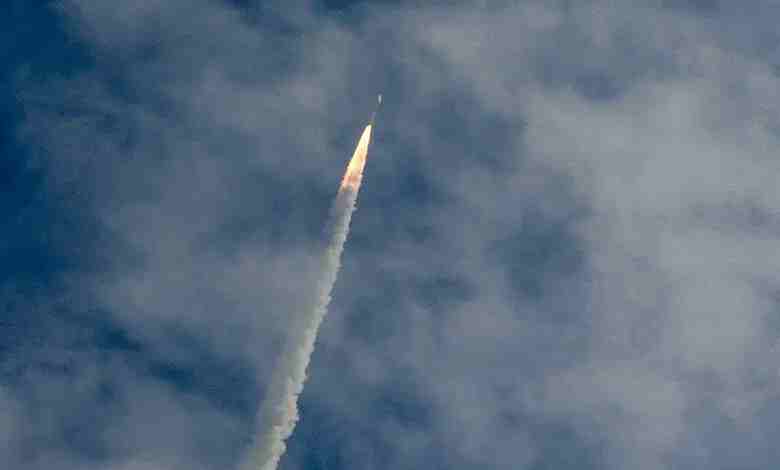
ISRO’s First Mission of 2026 Faces Setback: PSLV-C62 Fails to Deploy Satellite After Third-Stage Anomaly: The Indian Space Research Organisation (ISRO) commenced its 2026 space calendar with the launch of the PSLV-C62 rocket from the Satish Dhawan Space Centre in Sriharikota. While the lift-off was executed with precision, the mission encountered a critical failure in its later stages, preventing the successful deployment of the primary satellite into its intended orbit.
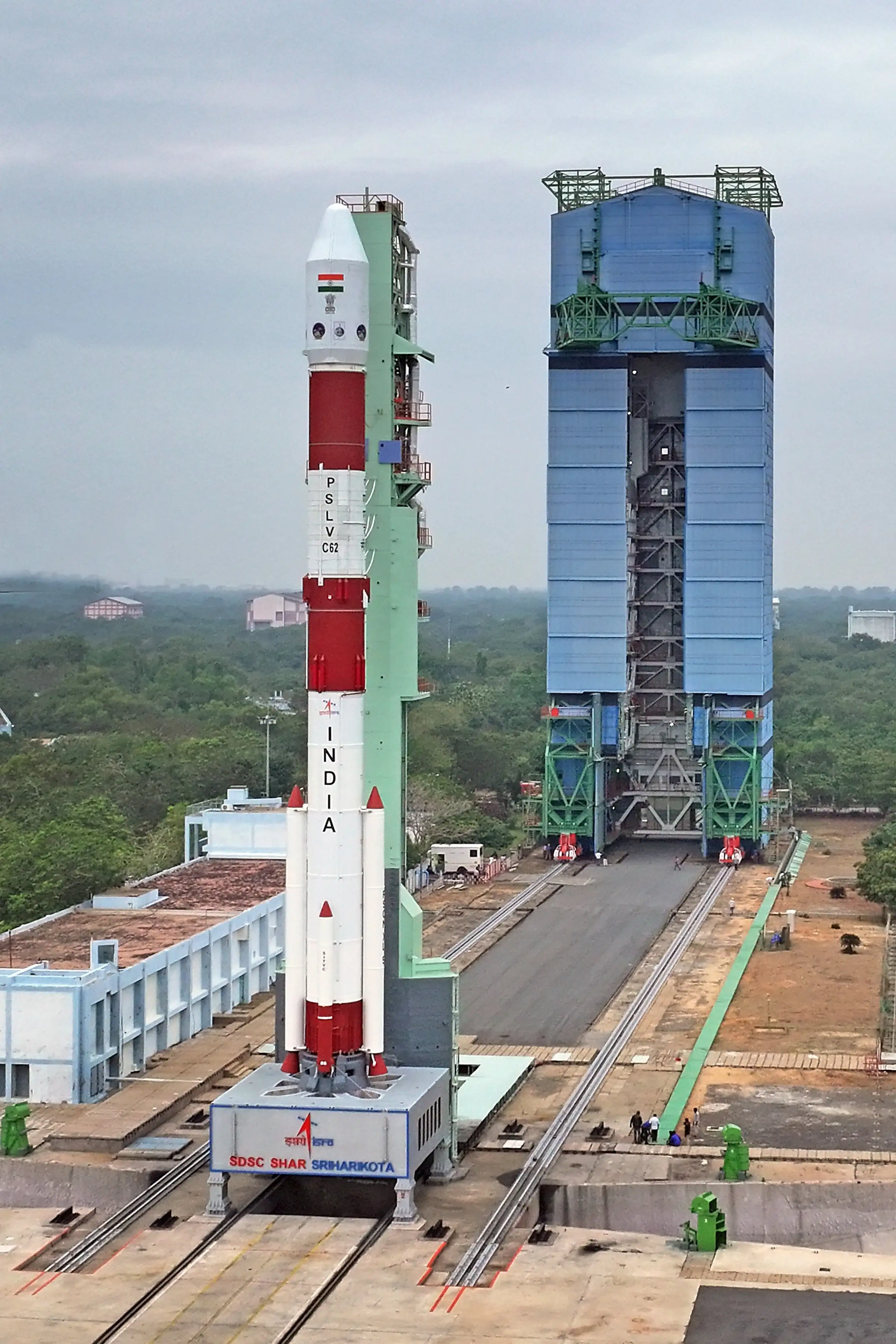
This mission was highly anticipated as it was the “curtain-raiser” for India’s ambitious 2026 space program.PSLV-C62 was carrying a total of 15 satellites, including EOS-N1 and a surveillance satellite named Anvesha, developed by the Defence Research and Development Organisation (DRDO). ishe v add karo However, an unexpected technical glitch has dampened the celebratory mood at mission control.
The Launch Sequence: A Promising Start
The PSLV-C62 took off from the First Launch Pad (FLP) at Sriharikota under clear skies. For the first few minutes, the vehicle followed its planned trajectory perfectly.
First Stage (Solid): Separated successfully.
Second Stage (Liquid): Ignition and performance were nominal.
The Turning Point: It was during the third stage (PS3) performance that ground controllers noticed a deviation in the flight path.
What Went Wrong? Insights from ISRO Chief
Following the mission’s deviation, ISRO Chairman addressed the media to provide a preliminary briefing. He confirmed that while the launch was “initially successful” in terms of lift-off and early stage separation, the mission could not reach its final objective.
Key Points from the Statement:
Third-Stage Performance: The primary issue originated during the third stage of the flight.
Directional Deviation: A technical glitch caused the rocket to lose its intended orientation (direction), leading to an incorrect trajectory.
Deployment Failure: Because the rocket was not in the correct position or velocity, the satellite could not be injected into the target orbit.
Data Analysis: ISRO scientists are currently “downlinking” and analyzing thousands of data points to identify the root cause of the engine or navigation failure.
“The mission experienced an anomaly in the third stage. We are currently analyzing the data to understand why the direction changed. We will provide a detailed report once the analysis is complete,” the ISRO Chief stated.
Technical Deep-Dive: Understanding the PSLV Third Stage
The PSLV (Polar Satellite Launch Vehicle) is known as the “Workhorse of ISRO” due to its incredible reliability. It is a four-stage rocket:
Stage 1 & 3: Use solid propellants.
Stage 2 & 4: Use liquid propellants.
The Third Stage (PS3) provides the high-thrust boost required to push the vehicle into the upper atmosphere before the final liquid stage takes over for precise maneuvering. If the PS3 motor undergoes an “off-nominal” burn or if the flex-nozzle control (which steers the rocket) malfunctions, the entire mission’s geometry is compromised.
Impact on ISRO’s 2026 Roadmap
This failure is a rare blemish on the PSLV’s track record. As the first orbital mission of 2026, the PSLV-C62 was expected to set the tone for upcoming missions, including the Gaganyaan crewed flights and upcoming moon explorations.
Immediate Consequences:
Mission Review Committee (MRC): A formal committee will be set up to investigate the hardware or software lapse.
Timeline Shifts: Future PSLV launches might see slight delays as the “Return to Flight” protocols are established.
Satellite Loss: The status of the satellite remains critical; without the correct orbit, it likely entered a sub-orbital path and may re-enter the Earth’s atmosphere.
What Happens Next?
ISRO has a history of bouncing back stronger from failures. Whether it was the early days of the SLV-3 or the initial setbacks of the GSLV, the organization is known for its transparent “Failure Analysis” reports.
Updates to follow:
Detailed breakdown of the telemetry data.
Identification of the specific component that failed in the third stage.
Revised schedule for the next PSLV mission.
Conclusion
While the PSLV-C62 mission did not result in a successful satellite deployment, the data gathered from this flight will be invaluable in ensuring that such an anomaly does not recur. The global space community remains watchful as India’s premier space agency digs into the numbers to fix the glitch.
Stay tuned for more updates on this developing story.