
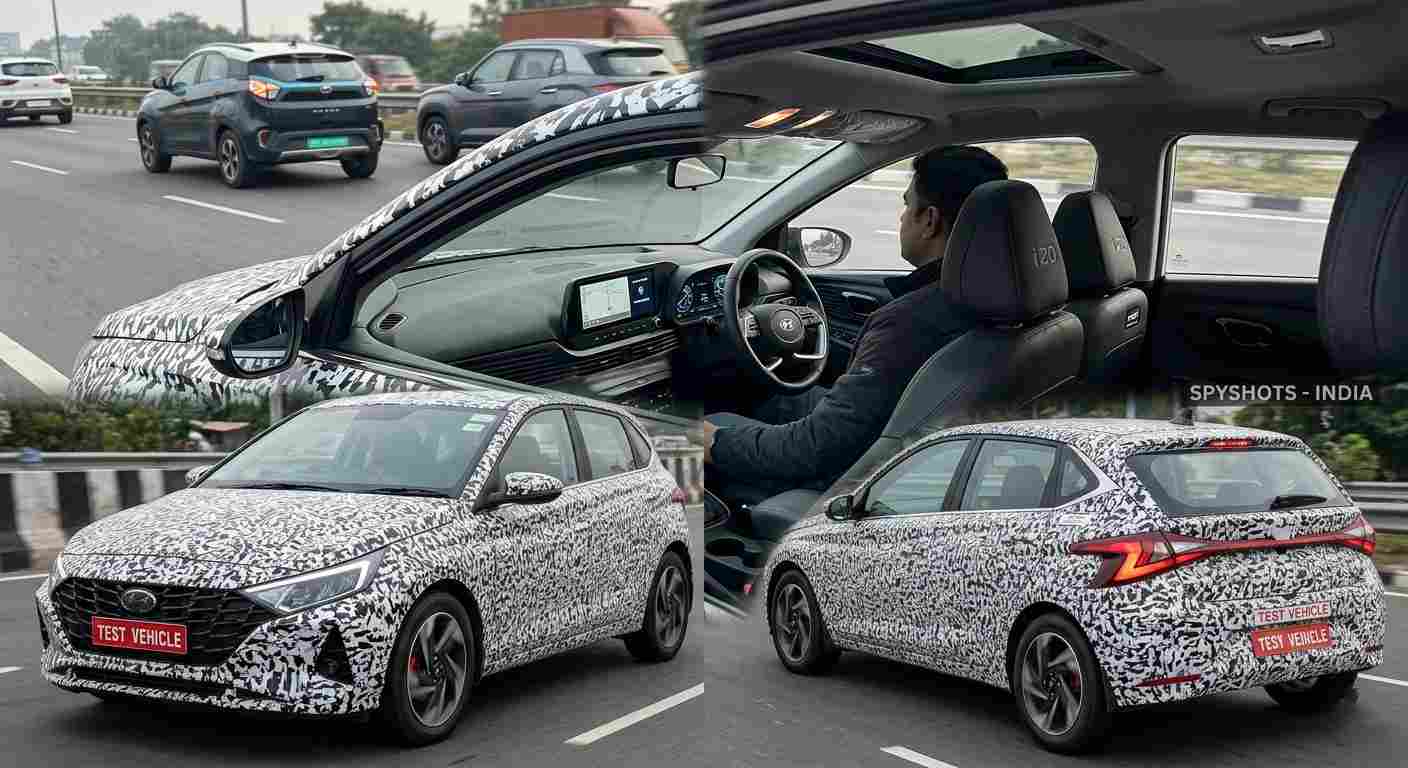
The Next-Gen Hyundai i20 has been the talk of the town recently, and for good reason. As the automotive landscape in India shifts aggressively toward SUVs, Hyundai is proving that the premium hatchback is far from dead. New spy shots have emerged, providing the most detailed look yet at what the South Korean automaker has in store for its iconic hatch. From a tech-heavy cabin to a more mature exterior aesthetic, the upcoming i20 is shaping up to be a formidable player in 2026 and beyond.
The Survival of the Premium Hatchback
While the market is currently obsessed with sub-compact and mid-size SUVs, the Next-Gen Hyundai i20 represents Hyundai’s commitment to a segment it has dominated for years. The hatchback remains a crucial global product, especially for export markets, and is a pillar of Hyundai’s “30 by 30” strategy—a plan to have 30 models in its portfolio by 2030.
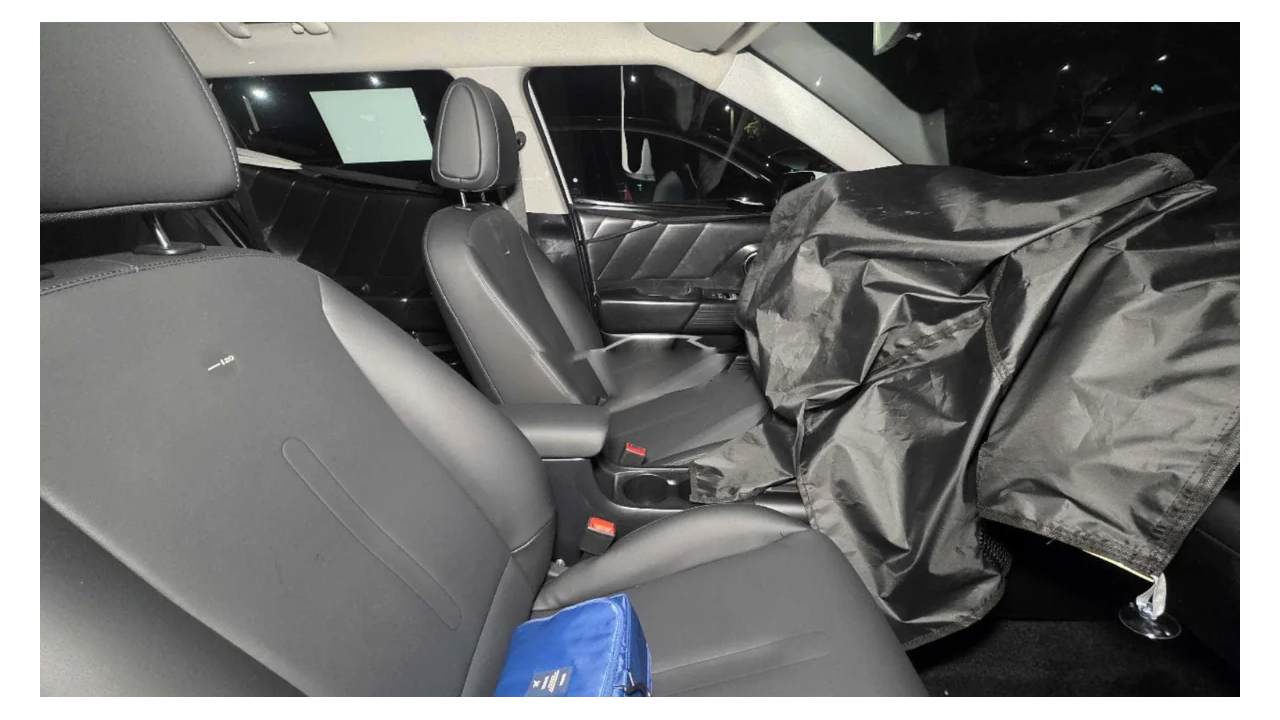
The latest testing rounds in India suggest that the new model isn’t just a minor facelift; it’s a comprehensive update designed to offer a “mini-SUV” luxury experience within a sleek, aerodynamic silhouette.
1. Interior Overhaul: A Digital Revolution
The biggest talking points from the latest leaks surround the cabin. Hyundai is bridging the gap between its entry-level cars and luxury offerings like the Ioniq series.
Curved Display and Infotainment
The Next-Gen Hyundai i20 is set to feature a massive 26.03 cm (10.25”) HD touchscreen infotainment system integrated into a single curved glass housing that also holds the digital instrument cluster. This layout, previously reserved for high-end luxury vehicles, provides a seamless, driver-centric interface.
Premium Cabin Materials
Leatherette Upholstery: The test mules feature high-quality leatherette seats with ‘i20’ branding embossed on the headrests.
Soft-Touch Points: To elevate the tactile experience, the door pads now feature soft-touch materials.
Venue-Inspired Steering: The three-spoke steering wheel design is borrowed from the new Venue, offering a sportier grip and integrated toggles for cruise control and voice commands.
Comfort and Convenience
Rear Amenities: Unlike many competitors, the i20 focuses on rear-seat passengers with dedicated rear AC vents, USB-C charging ports, and adjustable headrests for all three occupants.
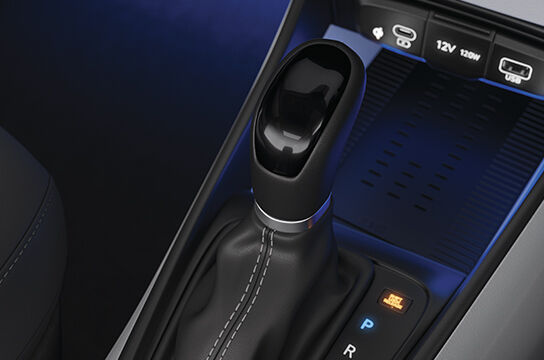
Ambient Lighting: The cabin will feature customizable ambient lighting, including a “Sounds of Nature” mode to reduce driver fatigue.
2. Exterior Design: Evolution, Not Revolution
Hyundai is taking a slightly different design path with the Next-Gen Hyundai i20 compared to the split-headlamp trend seen on the Creta and Exter.

The Front Fascia
Bold Front Fascia: Expect a redesigned grille and horizontal LED headlamps with integrated DRLs. Unlike the Creta, it seems to be sticking to a single-unit headlamp design rather than split units.
The Side and Rear Profile
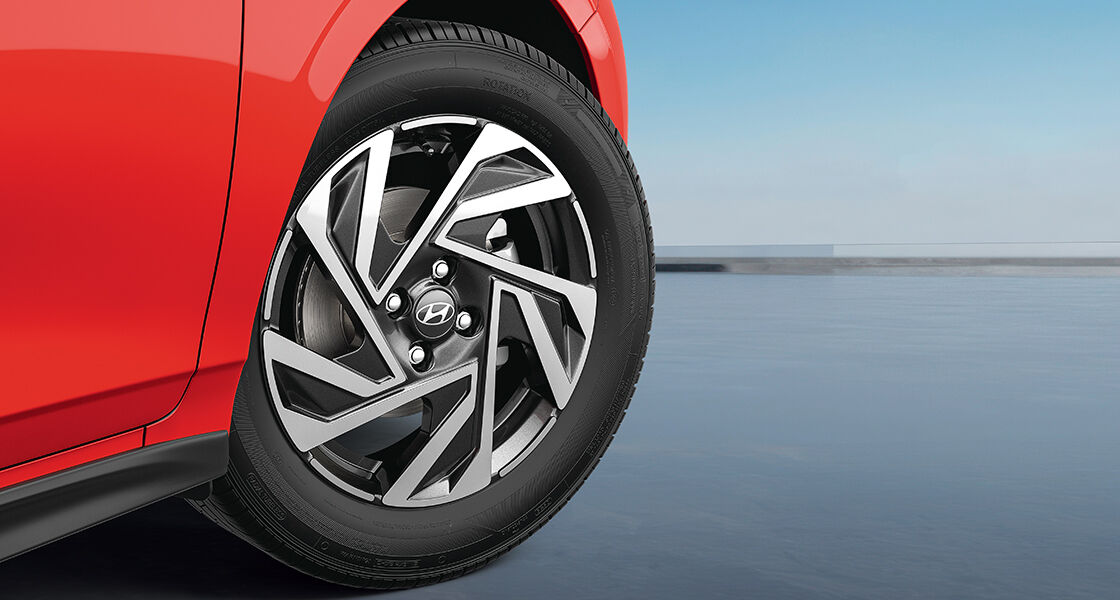
Larger Wheels: Test mules have been seen sporting 17-inch dual-tone alloy wheels with a star-pattern design (up from the current 16-inch units).
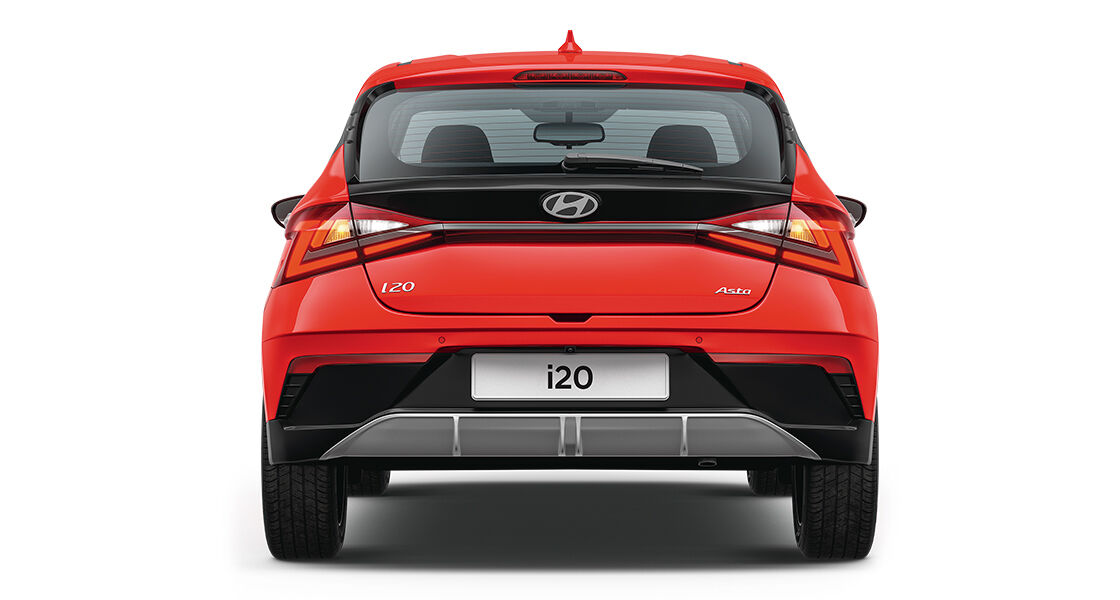
Rear Styling : The rear features a more raked windscreen, a reworked bumper, and connected LED tail lamps that emphasize the car’s width.
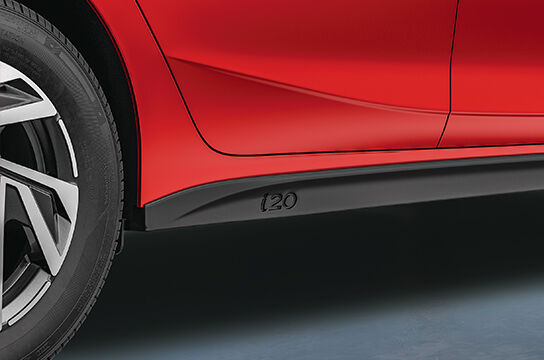
Blacked-out Accents: Expect black cladding around the wheel arches and ORVMs with black inserts, adding a “crossover” ruggedness to the sleek hatchback.
3. Performance: Potential Hybridization
Under the hood, the i20 will likely stick to its reliable petrol roots while looking toward a greener future:
1.2L Naturally Aspirated Petrol: The workhorse engine for the base and mid-variants.

1.0L Turbo Petrol: Likely reserved for the sportier N Line version.
Hybrid Rumors: There is strong speculation about a strong-hybrid powertrain or a new 1.2L turbo-petrol engine to rival the fuel efficiency of the Maruti Suzuki Baleno.
4. Safety: A New Benchmark
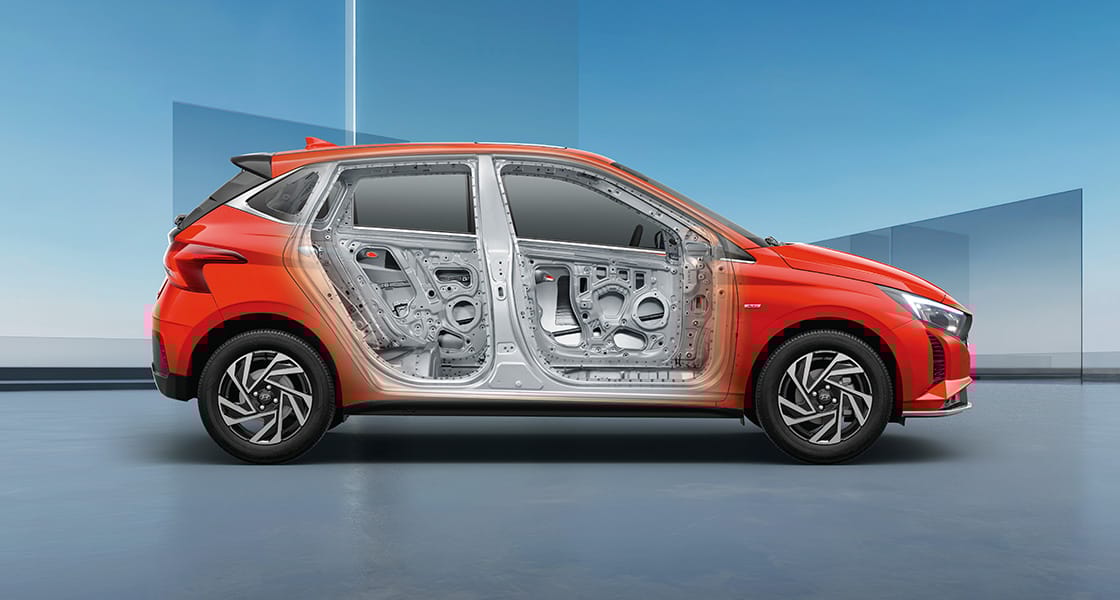
In line with Hyundai’s recent safety push, the Next-Gen Hyundai i20 is expected to come with a robust safety suite as standard.
| Feature | Description |
| 6 Airbags | Now standard across all variants (Best-in-segment). |
| ESC & VSM | Electronic Stability Control and Vehicle Stability Management for better cornering. |
| HAC | Hill-start Assist Control to prevent rollback on inclines. |
| TPMS | Highline Tyre Pressure Monitoring System with MID display. |
| Dashcam | A built-in dual-camera dashcam for safety and security. |
5. The “Knight Edition” and Customization
Hyundai will continue to offer the i20 Knight Edition for buyers who prefer a stealthy look. This version features:
All-black interiors with brass-colored inserts.
Sporty metal pedals and red brake calipers.
Matte black exterior finishes with the exclusive “Knight” emblem.
Technical Specifications Comparison
| Feature | Current i20 (2024-25) | Next-Gen i20 (2026-27 Leaks) |
| Infotainment | 10.25-inch Standard Touchscreen | Dual Curved Display (10.25″ or 12.3″) |
| Instrument Cluster | Semi-Digital / TFT Display | Full Digital Integrated Panel |
| ADAS | No (Except standard safety) | Level 2 ADAS (Lane Keep, Forward Collision) |
| Camera | Rear View with Guidelines | 360-Degree Surround View |
| Steering Wheel | 4-spoke ‘Butterfly’ Design | New 3-Spoke (with Morse code “H” logo) |
| Wheel Size | 16-inch Diamond Cut Alloys | 17-inch Star-Pattern Alloys |
| Sunroof | Single Pane Electric | Voice-Enabled Smart Sunroof |
Engine & Performance (Expected)
| Component | 1.2L Kappa Petrol (Standard) | 1.0L Turbo Petrol (N Line) |
| Max Power | ~87 bhp @ 6000 rpm | ~118 bhp @ 6000 rpm |
| Max Torque | 114.7 Nm @ 4200 rpm | 172 Nm @ 1500–4000 rpm |
| Transmission | 5-speed MT / IVT (Automatic) | 6-speed MT / 7-speed DCT |
| Hybrid Tech | N/A | Possible Strong Hybrid (Global Spec) |
Dimensions & Capacities
| Parameter | Current Model | Next-Gen (Estimated) |
| Length | 3995 mm | ~3995 mm (Sub-4m for India) |
| Width | 1775 mm | ~1790 mm (Wider stance) |
| Height | 1505 mm | ~1520 mm (Crossover-ish height) |
| Wheelbase | 2580 mm | 2580 mm – 2600 mm |
| Ground Clearance | 170 mm | 175 mm – 180 mm |
| Boot Space | 311 Litres | ~325 Litres |
| Fuel Tank | 37 Litres | 37 – 40 Litres |
Launch Timeline & Pricing
Global Debut: Expected as early as June 2026, possibly coinciding with the FIFA World Cup.
India Launch: While it may appear globally this year, the India-spec model is slated for a late 2026 or FY2028 launch, potentially following the debut of the Hyundai Bayon crossover.
Estimated Price: Expected to range between ₹6.5 lakh and ₹12.5 lakh (ex-showroom), depending on the inclusion of hybrid tech and ADAS.
Conclusion: The King of Hatchbacks Returns?
The Next-Gen Hyundai i20 is clearly aiming to be more than just a city commuter. With features like the voice-enabled smart electric sunroof, Bose 7-speaker system, and the sophisticated curved display, it is positioning itself as a legitimate alternative to sub-4m SUVs.
While the SUV craze isn’t going anywhere, the i20 offers a level of “Sensuous Sportiness” and driving dynamics that high-riding vehicles simply cannot match. For the urban buyer who values tech, style, and parking convenience, the new i20 might just be the most exciting launch of the upcoming fiscal year.
Disclaimer: Expected prices are based on industry estimates and are subject to change upon official announcement. Views expressed are informational; please consult your nearest Hyundai dealership for actual on-road pricing and availability.