
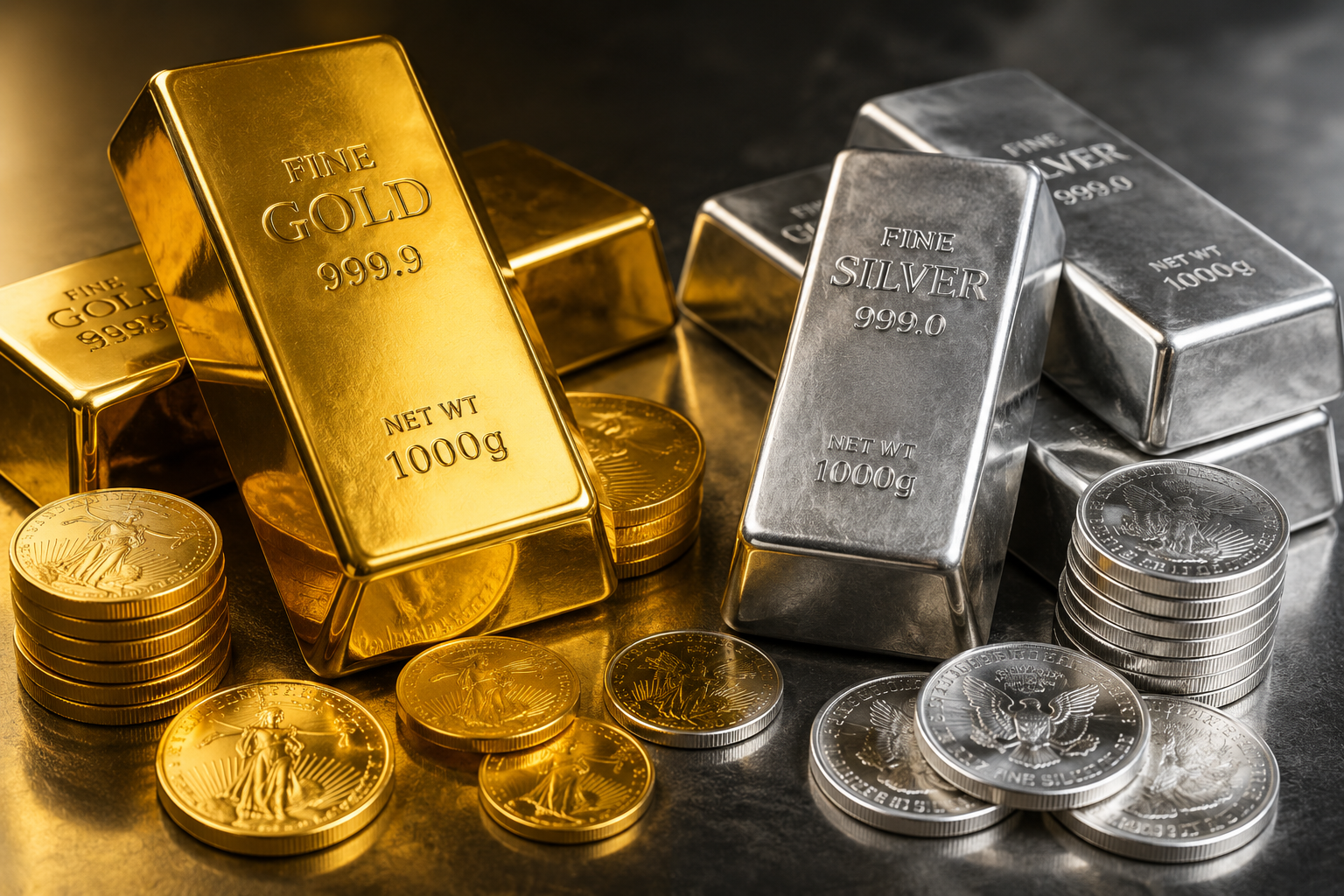
Gold and Silver Price Today on Monday, May 25, 2026. Following a brief, healthy multi-session technical correction where spot values underwent minor consolidation to shake out short-term speculative contracts, precious metals have aggressively restarted their upward climb. The primary Gold Price in India, heavily driven by high-volume physical sourcing centers such as Kolkata, reversed its downward bias to register immediate positive closes. Across the primary retail lanes of West Bengal, 24-carat pure gold advanced by ₹320 per 10 grams, establishing a powerful start to the final trading week of May.
Concurrently, silver preserved its crucial macro-baseline, presenting a highly resilient horizontal structure by locking its position flat at ₹2,85,000 per kilogram. With physical jewelry consumption remaining highly inelastic due to peak wedding calendars, retail accumulation patterns are shifting noticeably toward direct asset protection. This extensive multi-regional market report provides a deep statistical look into today’s localized price action, state-wise retail variance tables, core currency-driven macroeconomic forces, and structural consumer invoicing frameworks.
1. Gold and Silver Price Today in India : Granular Breakdown by Carat Purity
The turnaround seen in today’s morning tickers shows that the underlying sentiment for the Gold Price in India remains structurally solid. Because gold has over the years been a perfect hedge against inflation, individual investors, corporate asset managers, and family wealth trustees are increasingly looking at gold as an important investment. Rather than viewing high nominal rates as a barrier to consumption, the domestic market is responding to minor multi-day pullbacks as high-probability entry points to accumulate long-term hard assets.
According to spot metrics verified across primary wholesale distribution points and reputed jewellers in the country, the standard retail pricing tiers have adjusted upward as follows:
24 Karat Gold (99.9% Purity – Investment Grade)
The absolute purity standard utilized for sovereign bullion reserves, pure mint bars, corporate vault storage, and digital gold backing indices tracking the core national baseline for the Gold Price in India:
Per 1 Gram: ₹15,938 (Up by ₹32)
Per 10 Grams: ₹1,59,380 (Up by ₹320)
Per 100 Grams: ₹15,93,800 (Up by ₹3,200)
22 Karat Gold (91.6% Purity – Fine Jewelry Standard)
The traditional manufacturing benchmark representing the vast majority of consumer transactions for structural bridal ornaments, heavy cultural necklaces, and luxury family collections:
Per 1 Gram: ₹14,610 (Up by ₹30)
Per 10 Grams: ₹1,46,100 (Up by ₹300)
Per 100 Grams: ₹14,61,000 (Up by ₹3,000)
18 Karat Gold (75% Purity – Modern Contemporary)
The high-growth category increasingly favored by younger demographics for minimalist diamond-studded bands, daily office jewelry, and lightweight western-style customized ornaments:
Per 1 Gram: ₹11,954 (Up by ₹25)
Per 10 Grams: ₹1,19,540 (Up by ₹250)
Per 100 Grams: ₹11,95,400 (Up by ₹2,500)
2. Silver Price in India: Consolidating Structural Floors
While the gold market moved back into an upward trajectory, the silver complex prioritized horizontal baseline fortification. Escaping any downward pressure from early-week profit-taking, the industrial white metal printed a highly defensive flat chart configuration, confirming that physical demand is meeting liquid market supply perfectly.
| Commodity Asset Category | Weight Metric Unit | Spot Trading Price Today | Intraday Valuation Change | Mid-Term Technical Trajectory |
| Retail Precious Silver | Per 1 Gram | ₹285 | ₹0.00 (Flat) | Rigid Support Floor |
| Retail Precious Silver | Per 100 Grams | ₹28,500 | ₹0.00 (Flat) | Active Sourcing Base |
| Industrial / Bulk Silver | Per 1 Kilogram | ₹2,85,000 | ₹0.00 (Flat) | 5-7% Year-to-Date Gain |
Local spot desk dealers note that holding steady at ₹2,85,000 per kilogram represents a highly resilient baseline for the physical trade. Silver prices in India are deeply determined by international prices, which move in either direction based on global industrial manufacturing demand and safe-haven allocations. Since the start of the year, the market has printed decent gains of around 5-7 per cent in the prices of silver. This sideways trend indicates that institutional buyers are aggressively protecting the current range, setting up a solid launchpad for the next major demand spike.
3. State-Wise Gold & Silver Price Analysis (May 25, 2026)
While the central index establishes the general trend for the Gold Price in India, the physical retail market experiences varied localized adjustments. These regional spot gaps open up every morning due to separate state-level octroi systems, local transportation logistical risks, varied delivery premiums, and state-specific consumption cycles.
The table below outlines today’s live retail price configurations for 24K pure gold (per 10g) and bulk industrial silver (per 1kg) across primary state-level trading capitals:
| State / Union Territory | Major Trading Capital | 24K Gold (10g) | Silver (1kg) | Localized Bullion Market Sentiment |
| West Bengal | Kolkata | ₹1,59,380 | ₹2,85,000 | Reversal from Lows; High Handcrafted Jewelry Intake |
| Maharashtra | Mumbai | ₹1,59,060 | ₹2,85,100 | Institutional Sourcing Steady; Solid Paper Inflows |
| Delhi NCR | New Delhi | ₹1,59,210 | ₹2,85,100 | Corporate Safe-Haven Sourcing; Retail Stable |
| Tamil Nadu | Chennai | ₹1,60,690 | ₹2,90,100 | Intense Bridal Sourcing; Inelastic Premium Base |
| Karnataka | Bengaluru | ₹1,59,060 | ₹2,85,100 | High Digital Gold Volume; Stable ETF Allocations |
| Telangana | Hyderabad | ₹1,59,060 | ₹2,90,100 | Summer Wedding Peak; Strong Rural Gifting Tonnage |
| Gujarat | Ahmedabad | ₹1,59,110 | ₹2,85,100 | Wholesale Vault Sourcing Steady; Bullion Flow Flat |
| Kerala | Thiruvananthapuram | ₹1,59,060 | ₹2,90,100 | Traditional Wealth Hedges Intact; Volume Resilient |
Analyst Regional Spread Insight: The localized price gap between the East and the South remains an extraordinary structural highlight of the 2026 bullion market. In major southern centers like Chennai, Hyderabad, and rural Kerala, bulk silver continues to command a notable premium, trading roughly ₹5,100 higher per kilogram than the spot rates seen in Kolkata. This distinct regional variance emphasizes the intensely rigid, culturally essential demand for solid physical silver articles, heavy traditional ornaments, and legacy ritual items across Southern households during peak wedding calendars.
4. Macroeconomic Drivers: What is Guiding the Bullion Reversal?
To trade, hedge, or purchase within the physical or paper precious metals arena with maximum accuracy, market participants must closely analyze the primary macroeconomic forces guiding today’s market:
The International Spot Market Catalyst: The domestic physical bullion trade is deeply determined by international prices, which move in either direction depending on global safe-haven liquidity flows, macroeconomic risk metrics, and major central bank interest rate decisions. Today’s upward tilt shows that overseas buyers are moving back into safe-haven assets as global currency volatility picks up.
The Currency Lever (USD-INR): Bullion pricing heavily depends on the currency movement of the rupee against the dollar. Because India relies entirely on international imports to satisfy its immense domestic demand, the dollar exchange rate acts as a direct price multiplier at the borders. If the rupee falls against the dollar and international prices remain stable, silver and gold will naturally turn more expensive for domestic consumers, compounding any global price increases.
Tandem Volatility Patterns: Silver rates naturally tend to move in tandem with the prices of gold over extended macro timelines. When the precious metal price rises, silver rates also tend to go up. Over the last few months, silver prices have rallied as international prices have gained ground, directly pulling up silver rates in Kolkata. Because silver serves a dual role as both a monetary safe haven and a key industrial raw material for solar technology and clean energy, its long-term trend remains firmly interlocked with gold’s upward path.
The Wedding Season Safety Net: The final week of May marks the peak of the traditional Indian summer wedding season. This deeply rooted cultural behavior builds an incredibly rigid, non-negotiable demand structure. Because families must secure their bridal jewelry allocations regardless of daily price shifts, jewelers are forced to consistently restock their inventories, creating a solid support floor under the Gold Price in India.
5. Tactical Asset Allocation Frameworks for Discerning Investors
With 24K pure gold positioning back up at ₹15,938 per gram and silver consolidating at ₹2,85,000 per kilogram, market participants should execute clear, analytical sourcing strategies:
For Bridal and Consumer Planners: Waiting for a massive market crash during the peak of seasonal retail demand is historically counterproductive. Given that the broader 2026 trend points upward, consumers should implement a systematic cost-averaging strategy. Splitting physical ornament purchases across multiple weeks completely eliminates the risk of trying to perfectly time a volatile market.
For Wealth Preservation Allocators: Given that gold has over the years been a perfect hedge against inflation, maintaining a dedicated 10-15% portfolio allocation remains an excellent strategy for risk management. If you are looking for pure price exposure without the added hassle of security logistics, transport insurance, or jeweler crafting fees, look toward liquid paper alternatives. Allocating capital into institutional Gold ETFs, sovereign gold funds, or digital gold platforms allows you to track the Gold Price in India with total transparency and instant liquidity.
For Long-Term Silver Accumulators: Having generated steady year-to-date gains of around 5-7 per cent, silver presents a highly compelling diversification option. Today’s steady, flat base at ₹285 per gram offers an excellent entry point for long-term investors executing monthly systematic investment plans (SIPs), enabling them to build positions before industrial restocking cycles start driving the next upswing.
6. Retail Consumer Protection: How to Validate Your Jewelry Invoice
In a high-valuation precious metals market, even a tiny error on an invoice can easily cost you thousands of rupees. When finalizing any transaction at local physical retail showrooms, always demand a completely itemized, clear receipt that lists every single element of the final price.
The Uniform Invoicing Equation:
Smart Buyer Safety Checklist:
Mandate the 6-Digit Alphanumeric HUID: Never buy any piece of gold jewelry unless it features a clear, laser-etched 6-digit Hallmark Unique Identification (HUID) code. Download the central government’s official BIS Care App onto your smartphone to check the code right at the sales counter. This will instantly show the metal’s exact purity tier, weight registration, and the jeweler’s active license.
Audit Making Charge Variance: Crafting premiums across Indian retail showrooms can range anywhere from 10% to 22% depending on the complexity of the design. In hubs like Kolkata, which are famous for highly detailed, handcrafted Bengali bridal sets, making charges may be calculated as a direct percentage of the gold’s base value. Always review these charges directly before paying.
Utilize a Gold Rate Calculator: Want to buy gold? Get exact pricing with our Gold Rate Calculator. Always verify your jeweler’s quotes by running the day’s official spot rates through a digital pricing calculator to ensure no hidden operational costs have been added to your bill.
7. Strategic Horizon Outlook: Late-May 2026 Prediction
Respected commodity research desks and technical analysis charts project the following short-term price developments for the remainder of the month:
Gold Price Targets: The Gold Price in India has successfully established an exceptionally strong technical floor at the ₹15,800 per gram mark. Following today’s minor +₹32 reversal, the yellow metal is well-positioned to challenge immediate resistance at ₹16,050, with an extended technical target pointing toward ₹16,250 if global inflationary pressures continue to rise.
Silver Price Targets: Silver’s lengthy sideways consolidation at ₹2,85,000 per kilogram shows that speculative sell positions have been completely absorbed. As industrial component manufacturing reaccelerates and clean-energy solar panel producers pick up their seasonal purchasing schedules, silver is expected to break out of its current base to target the ₹2,95,000 milestone nationally.
Conclusion
Today’s trading patterns show a highly resilient bullion market that has absorbed its short-term corrections and successfully resumed its long-term upward trend. With gold trading confidently at ₹15,938 and silver consolidating at ₹2,85,000, precious metals continue to fulfill their primary purpose as unmatched vehicles for long-term wealth preservation. Keeping a close, analytical eye on daily domestic rate shifts, international spot trends, and currency fluctuations remains your most reliable tool for making sound, profitable financial decisions.
Disclaimer: This information is compiled from various news agencies and market inputs for educational purposes only. It should not be treated as financial or investment advice. Because bullion rates fluctuate in real-time due to market volatility and local taxes, buyers are strongly advised to check live prevailing rates and consult a certified financial advisor before making any purchasing decisions.