
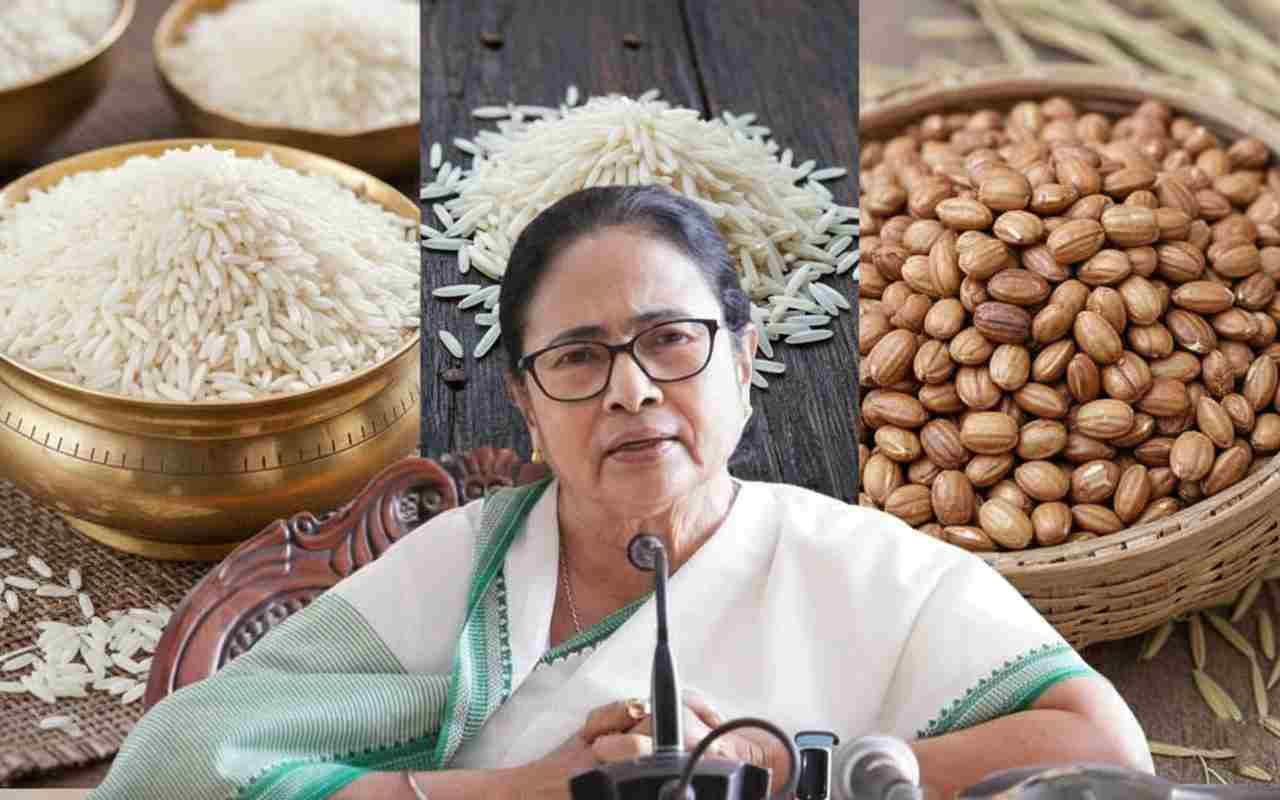
Bengal’s Green Revolution: In a significant victory for rural empowerment and sustainable agriculture, the Food and Agriculture Organization (FAO) of the United Nations has officially recognized the West Bengal government’s ‘Matir Srishti’ initiative. Chief Minister Mamata Banerjee announced on Wednesday that the state has been awarded an internationally valued certificate, marking a historic moment for the preservation of natural heritage and biodiversity in Eastern India.
The recognition doesn’t stop at land restoration; the UN body has also conferred ‘Food and Cultural Heritage’ status on three of Bengal’s most prized aromatic rice varieties: Gobindbhog, Tulaipanji, and Kanakchur.
Bengal’s Green Revolution: Transformation of ‘Red Earth’ ,What is Matir Srishti?
Launched in May 2020 amidst the challenges of the pandemic, ‘Matir Srishti’ (Creation of the Earth) was designed to tackle the chronic poverty of the dry, western districts of West Bengal, known as the Paschimanchal region. These areas—including Bankura, Purulia, Birbhum, Jhargram, Paschim Bardhaman, and Paschim Medinipur—were long plagued by barren, non-arable, and mono-crop lands.
A Multi-Departmental Vision
Unlike traditional contractor-driven projects, Matir Srishti is a unique, community-led model. It integrates the strategies of three key departments:
Land Department: Identifying and preparing fallow plots.
Irrigation Department: Creating new water sources like ponds and check dams.
Panchayat & Rural Development: Mobilizing Self-Help Groups (SHGs) and local farmers.
By converting over 42,000 acres of degraded land into productive farms, the project has turned “waste” into wealth, allowing for horticulture, vegetable cultivation, and pisciculture (fish farming) in regions that once struggled to grow even a single crop.
Aromatic Rice: Bengal’s Culinary Heritage Goes Global
The UN-FAO’s recognition of Bengal’s aromatic rice varieties highlights the deep link between the state’s agriculture and its cultural identity.
The ‘Heritage’ Trio
These grains are not just food; they are part of the “Food & Culture Heritage” of the world, acknowledging the traditional knowledge of the farmers who have preserved these seeds for generations.
Impact on the Ground: Livelihoods and Income
According to government officials, the impact of Matir Srishti is measurable in the smiles of the rural community.
Income Increase: Family incomes in targeted regions have reported a manifold increase as farmers move from subsistence to commercial multi-cropping.
Employment: The project has generated lakhs of livelihood opportunities, particularly for migrant workers who returned to the state during the 2020 lockdowns.
Community Ownership: By organizing farmers into Community-Based Organizations (CBOs) and Farmer Producer Organizations (FPOs), the state has ensured that the profits stay with the growers rather than middle-men or contractors.
“We dedicate this recognition to our entire rural community, especially the farmers of Bengal. This is a prestigious honor for globally recognized good works to conserve natural heritage,” said CM Mamata Banerjee.
A Legacy of Global Awards
This is not the first time West Bengal’s social models have caught the eye of the United Nations. In 2017, the state’s flagship Kanyashree Prakalpa—a conditional cash transfer scheme to prevent child marriage and promote girl-child education—won the UN Public Service Award, securing the first rank among 552 projects from 62 countries.
With this latest FAO certification, West Bengal solidifies its position as a leader in “Investing in Nature,” proving that environmental restoration and poverty alleviation can go hand-in-hand.
Key Takeaways from the UN Recognition
Environment: 42,000+ acres of barren land restored.
Water: Massive creation of new irrigation facilities (ponds/water bodies).
Biodiversity: Preservation of indigenous aromatic rice varieties.
Social: Massive empowerment of Women SHGs and small-scale farmers.
Disclaimer: This information is based on various inputs from news agency.