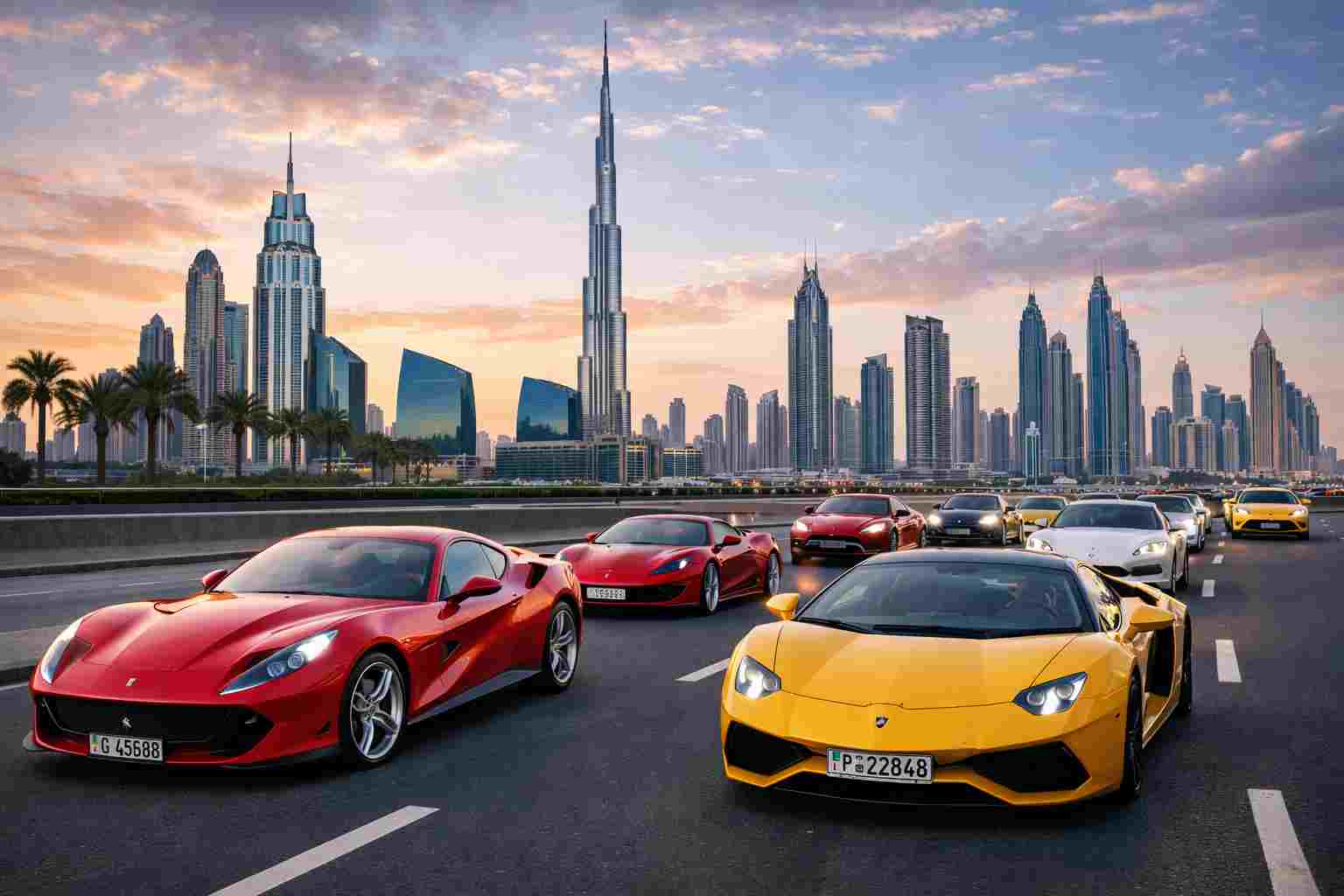
From Desert Oasis to War Zone: Is the Dubai Dream Fading? For decades, Dubai has stood as the ultimate symbol of the 21st-century “miracle.” It was an architectural oasis in the Arabian Gulf—a gleaming forest of steel and glass rising defiantly from the shifting desert sands. Residents lived on man-made islands like the Palm Jumeirah, and tourists from across the globe flocked there to drown in a sea of high-end technology, luxury commerce, and tax-free living.
But today, the “City of Gold” looks less like a luxury brochure and more like a war zone.
From Desert Oasis to War Zone: Is the Dubai Dream Fading?
The escalating conflict between the Iranian regime and regional powers has brought the front lines to the doorsteps of the Burj Khalifa. Overnight, a barrage of Iranian drones and missiles targeted the UAE, with several smashing into high-rise buildings, sending plumes of smoke over one of the world’s most famous skylines.
The New Landscape: Supercars and Shrapnel
Dubai’s roads have long been famous for their “supercar” culture. At every traffic light, you expect to see Ferraris, Lamborghinis, and Paganis. Now, that view has been replaced by something far more chilling: massive chunks of drone debris and twisted metal scattered across the asphalt.
The scale of the bombardment is staggering. Since the onset of this recent escalation, the UAE has borne the brunt of Iran’s regional aggression. According to the latest defense data, the country has been peppered with:
268 Ballistic Missiles
Around 15 Cruise Missiles
More than 1,500 Drones
While the UAE’s advanced air defense systems have intercepted a vast majority of these threats, the sheer volume means that debris—and occasionally direct hits—are striking civilian infrastructure. Hotels, residential towers, and airports have all found themselves in the crosshairs.
The Financial Exodus: Banks Under Fire

Perhaps the most calculated part of the Iranian strategy is the shift toward economic warfare. Earlier this week, Israel targeted multiple financial institutions across Iran. In a “tit-for-tat” response, the Iranian regime has announced plans to hit banking offices across the Gulf.
Because Dubai is the regional headquarters for almost every major international bank, it has become a “bad name” in the risk assessment rooms of London and New York. The impact was immediate:
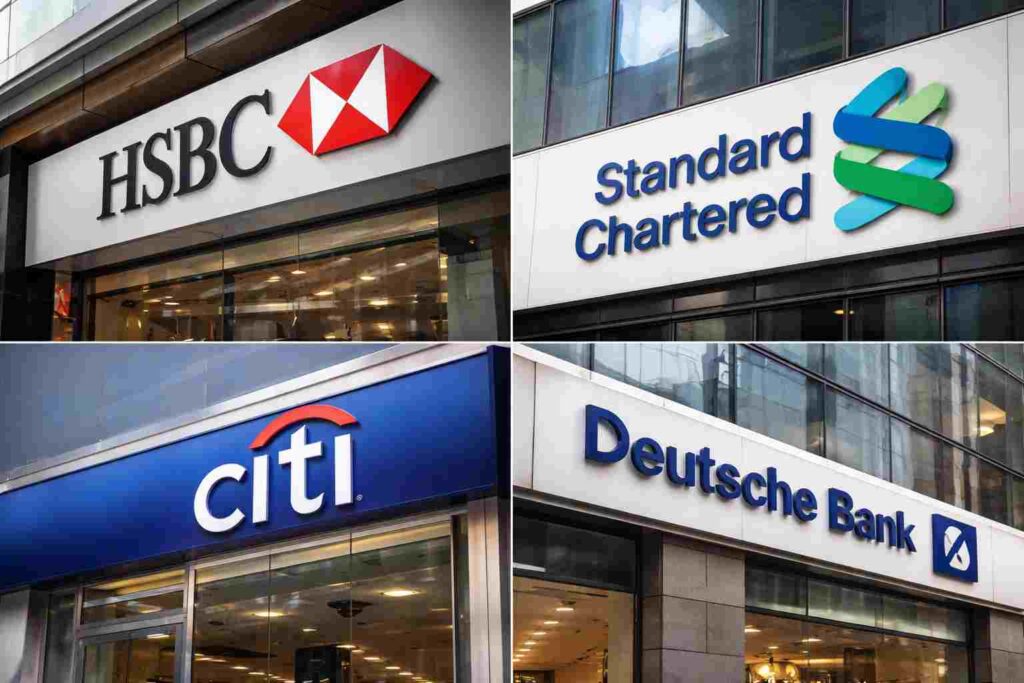
Citibank has ordered its employees to evacuate their Dubai offices and transition to work-from-home status.
Standard Chartered has issued similar directives, urging staff to avoid their high-rise headquarters.
HSBC has shut down its branches in neighboring Doha, Qatar, until further notice.
This is a massive blow to the Dubai International Financial Centre (DIFC). As the heart of Gulf finance, the DIFC hosts:
290 Banks
102 Hedge Funds
500 Wealth Management Firms
If these temporary closures turn into permanent relocations, the “money spinner” that fuels Dubai’s non-oil economy could evaporate.
The “No Oil” Problem: Why This Hits Dubai Harder
Unlike its neighbors in Abu Dhabi or Saudi Arabia, Dubai does not have a “black gold” safety net. Its wealth was built on a deliberate shift toward services and trade. To understand why these attacks are existential, one must look at the Breakup of Dubai’s GDP:
Sector Contribution to GDP
Trade 26%
Finance 12%
Tourism 12%
Real Estate 8%
Construction 6%
Oil & Gas Just 2%
Dubai offered stability and consumerism. It was a place where the ultra-rich could buy premium residences, live tax-free, and marvel at massive malls and science centers. But with trade routes disrupted and the sky no longer safe, that value proposition is crumbling.
Thousands of wealthy expatriates and “digital nomads” have already fled, heading for more secure locations in Europe or North America. What remains is largely the migrant labor force—millions of workers from India, Nepal, and Pakistan. These are the people who drive the cabs, deliver the groceries, and build the towers. Unlike the elite, they often have no means to leave. They are trapped in a city under fire, watching the infrastructure they built become a target.
Is There a Plan B?
The big question looming over the Gulf is: Can Dubai revive itself?
The honest answer is that nobody knows. Dubai’s success was built on the “Brand of Stability.” If Iran creates a “new normal” where attacking the Gulf is a regular occurrence, that brand is dead. If a missile hits a major port like Jebel Ali, the damage to the infrastructure and the global supply chain could take decades to repair.
This conflict has disrupted the calculations of the entire region. Cities like Doha, Jeddah, and Riyadh were all looking at Dubai as the “post-oil model” to replicate. They wanted the same skyscrapers, the same tourism, and the same financial hubs.
But if Dubai—the original blueprint—cannot sustain itself through a regional war, what is the Plan B for the rest of the Gulf?
”If there is a permanent peace deal, Dubai can slowly rebuild. But if there is only a fragile truce, the ‘Dubai Dream’ may remain a memory of the desert.”
For now, the world watches the skyline. The lights are still on, but for the first time in history, the people inside are looking at the exits.
Disclaimer: This information is based on various inputs from news agency.