
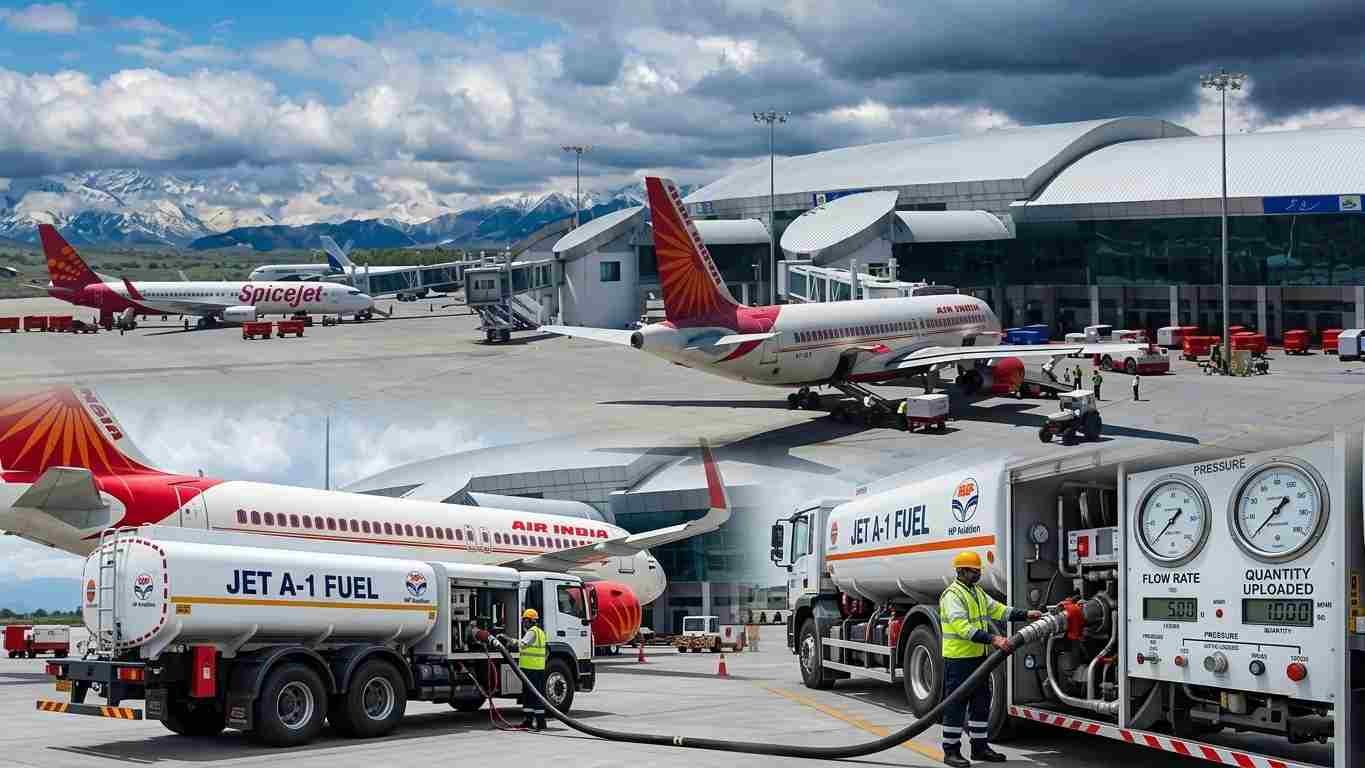
Jet Fuel Spikes 114%: In a dramatic turn of events for the global aviation industry, a massive energy shock triggered by escalating tensions in West Asia and the strategic closure of the Strait of Hormuz has sent Aviation Turbine Fuel (ATF) prices in India into uncharted territory. For the first time in history, jet fuel prices breached the psychological barrier of ₹2 lakh per kilolitre.
However, in a calibrated move to prevent a collapse of the domestic travel market, the Indian government has stepped in with a rare intervention. By decoupling domestic rates from the international spike, the Centre has effectively cushioned millions of flyers and a financially fragile aviation sector from a catastrophic fare surge.
The Global Catalyst: Conflict and the Hormuz Chokepoint
Jet Fuel Spikes 114%: Government Intervenes to Shield Flyers and Airlines Amid Global Energy Shock: The root of this unprecedented price revision lies in the “US-Israel-Iran” conflict, which intensified on February 28, 2026. The subsequent blockade of the Strait of Hormuz—a narrow waterway through which roughly 20% of the world’s oil and liquefied natural gas (LNG) flows—has choked global supply lines.
With the waterway closed, global benchmarks for jet fuel soared. In India, this translated to a staggering 114.5% jump in a single monthly revision. In Delhi, the price for non-shielded segments touched ₹2,07,341.22 per kilolitre, nearly doubling the March rate of ₹96,638.14. This comfortably surpassed the previous record of ₹1.41 lakh seen during the 2022 Russia-Ukraine energy crisis.
A Tale of Two Prices: The Government’s “Calibrated” Shield
Jet Fuel Spikes 114%: Government Intervenes to Shield Flyers and Airlines Amid Global Energy Shock: Consequently, a dual-pricing mechanism was implemented for the April 1, 2026 revision:
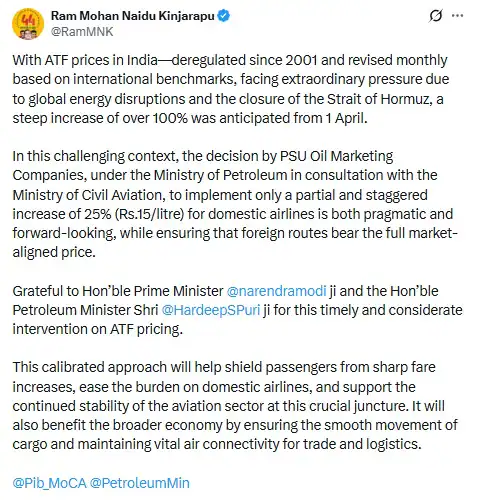
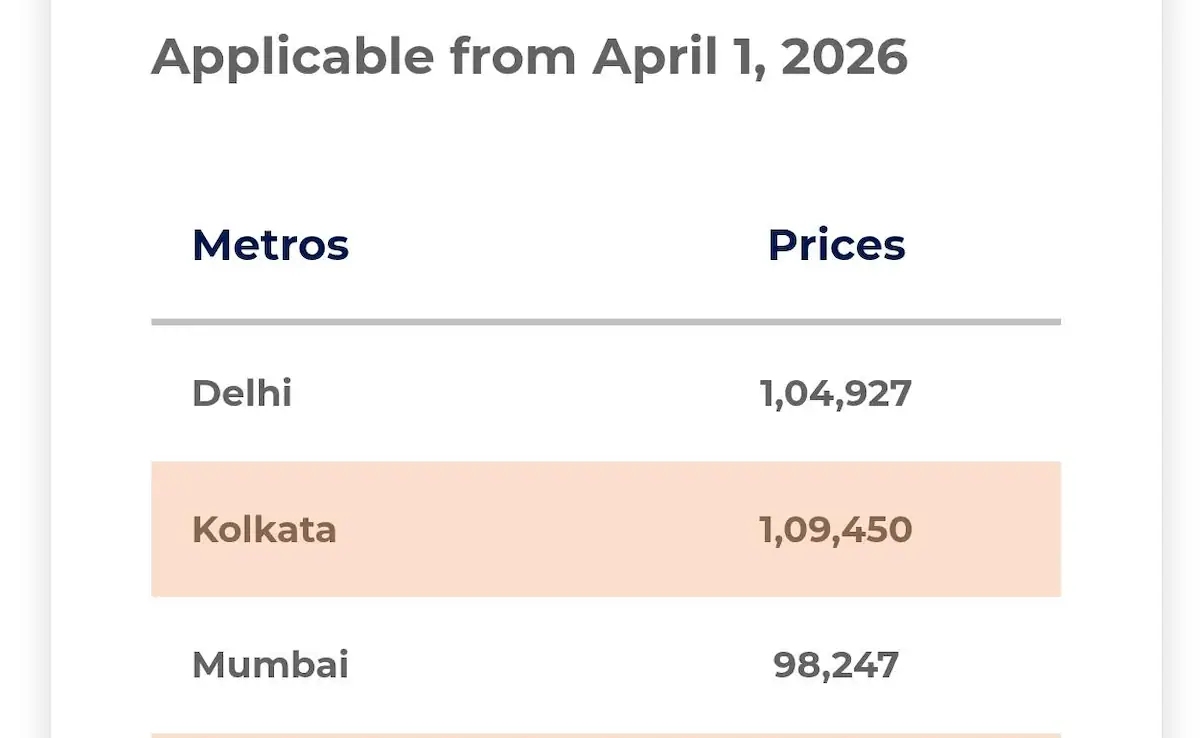
- For Domestic Scheduled Carriers: The price hike was capped at approximately 25% (roughly ₹15 per litre). This brings the effective rate for domestic airlines to about ₹1.04 lakh per kilolitre, a fraction of the global market price.
- For Non-Scheduled & International Operators: Private jets, charters, ad-hoc flights, and international carriers refueling in India must bear the full 114.5% increase.
Civil Aviation Minister Ram Mohan Naidu Kinjarapu described the move as a “calibrated response to an extraordinary global crisis.” He emphasized that the staggered increase is designed to stabilize airfares, maintain critical air connectivity, and ensure that the movement of essential cargo remains uninterrupted.
Why the Intervention Was Necessary
The Indian aviation sector remains one of the most cost-sensitive markets in the world. Fuel typically accounts for 40–45% of an airline’s operating expenses in India. This is significantly higher than the global average, primarily due to the country’s unique tax structure.
Fragile Balance Sheets
Currently, the domestic market is characterized by thin margins. With only one consistently profitable major carrier and others relying heavily on promoter capital or debt restructuring, a 100% fuel hike would have likely grounded significant portions of the domestic fleet.
Recent Removal of Fare Caps
The timing was particularly sensitive as the government had only just lifted temporary airfare caps on March 23. Without this fuel subsidy intervention, airlines would have been free to—and forced to—double or triple ticket prices overnight to cover their costs.
“The Government’s decision to allow only a partial increase in ATF prices comes as a significant relief… Their proactive intervention will go a long way in helping airlines navigate one of the most challenging global crises in recent times,” said Ajay Singh, Chairman and Managing Director of SpiceJet.
Structural Hurdles: The “GST” Elephant in the Room
While the current intervention provides a short-term band-aid, it highlights the long-standing structural issues of ATF pricing in India. Despite being deregulated in 2001, jet fuel remains excluded from the Goods and Services Tax (GST) regime.
The Tax Fragment: Excise vs. VAT
Currently, ATF is subject to a central excise duty of 11%. On top of this, State Governments impose Value Added Tax (VAT), which varies wildly:
- High VAT States: Delhi and Maharashtra historically maintain higher rates, making fuel expensive at major hubs like IGI and Chhatrapati Shivaji Maharaj International Airport.
- Low VAT States: Over 20 states and UTs have slashed VAT to near-zero levels to encourage regional connectivity under the UDAN scheme.
This fragmentation forces airlines to “tanker” fuel—carrying extra weight from low-tax states to avoid refueling in high-tax ones—which ironically increases total fuel burn and carbon emissions.
Impact on Passengers: What to Expect?
While the government has shielded the base price of fuel, passengers are not entirely immune. Airlines had already begun adjusting to the 5.7% rise seen in March and the broader geopolitical volatility.
- Fuel Surcharges: Most major carriers, including IndiGo and Air India, have already implemented or revised fuel surcharges ranging from ₹150 to ₹2,300 depending on the route.
- Review in Progress: An IndiGo spokesperson confirmed that the airline is currently “reviewing the impact of the revised ATF price” and will announce updated fuel charges shortly.
Comparison: India vs. The World
India’s decision to intervene stands in contrast to other regions. In Southeast Asia and Oceania, carriers from Vietnam to New Zealand have already begun cancelling flights or slashing frequencies as fuel costs became unbearable. China, the world’s largest oil importer, has responded by curbing fuel exports to prioritize its own domestic supply, further tightening the global market.
| Segment | March 2026 Price | April 2026 Price (Market) | April 2026 Price (Shielded) |
| Domestic Scheduled | ₹96,638.14 | ₹2,07,341.22 | ₹1,04,927.18 |
| Charters/Private Jets | ₹96,638.14 | ₹2,07,341.22 | N/A |
| International Refueling | ~$850/kl | >$1,800/kl | N/A |
The Outlook: Deferment, Not Disappearance
While the skies remain relatively stable for domestic travelers today, the underlying financial pressure hasn’t vanished—it has been deferred. The Public Sector Oil Marketing Companies (OMCs) are currently absorbing a significant portion of the cost, a situation that cannot be sustained indefinitely if the Strait of Hormuz remains closed.
As the US-Israel-Iran conflict continues to dictate the rhythm of global energy markets, the Indian aviation sector finds itself in a state of “guarded stability.” For now, the government has successfully prevented a “fare-mageddon,” but the true test will lie in how long the exchequer and the OMCs can hold the line against a global tide of rising oil prices.