
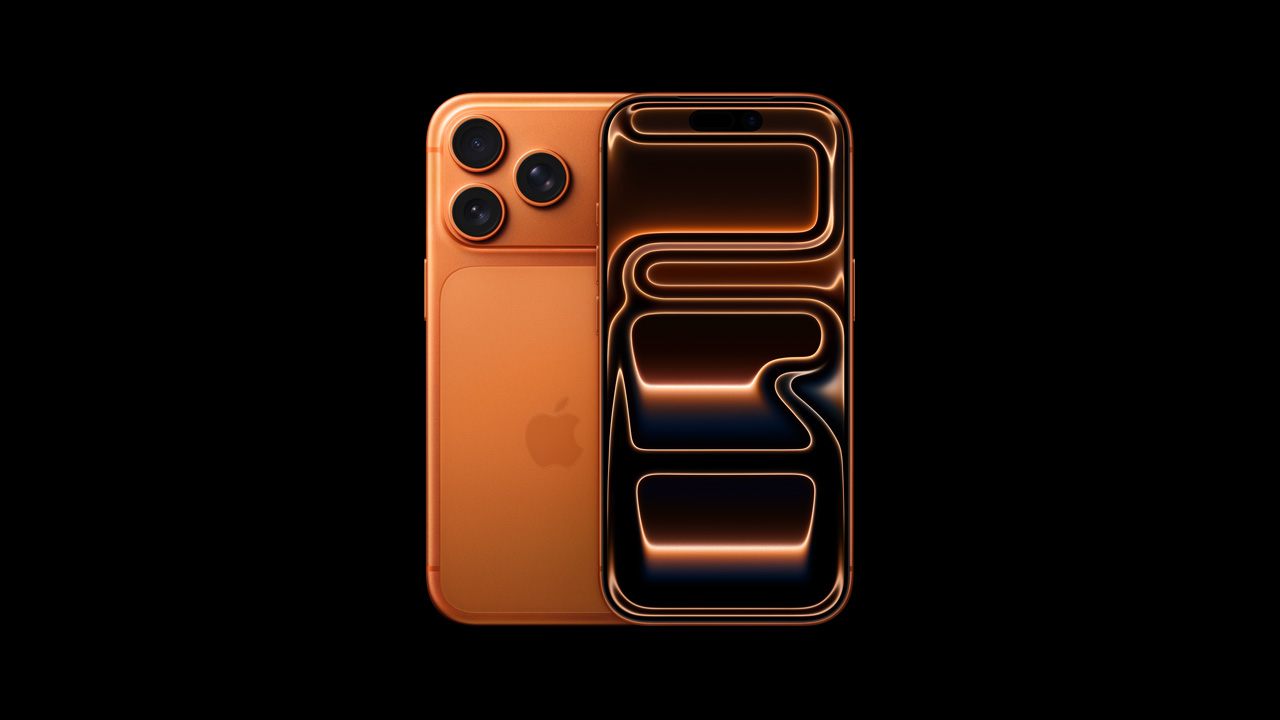
iPhone 17 Pro Max:The smartphone resale market has just witnessed a seismic shift that no one saw coming. Traditionally, trade-in charts are dominated by two-to-three-year-old devices like the iPhone 14 or Samsung Galaxy S23 as users reach the end of their typical upgrade cycles. However, recent data from major resale platforms like SellCell reveals a startling new king of the trade-in market: the iPhone 17 Pro Max.

Despite being launched only in September 2025, Apple’s most expensive flagship is flooding the secondary market. This phenomenon has raised eyebrows across the tech industry, leading experts to question why a phone that is less than six months old is being let go by so many owners.
iPhone 17 Pro Max The Resale Phenomenon: Data Breakdown
According to reports, the iPhone 17 Pro Max now accounts for 11.5% of the top 20 traded-in smartphones. This puts it significantly ahead of the iPhone 15 Pro Max (7.3%) and the iPhone 16 Pro Max (7.2%).
The surge is particularly notable because nearly 86% of these traded-in units are in “Mint” or “Good” condition, suggesting that these aren’t broken devices being discarded, but high-value assets being strategically moved by their owners.
Why are Owners Selling So Soon?
Several factors have converged to create this “perfect storm” for the iPhone 17 Pro Max resale market:
1. The High Resale Value (Arbitrage Opportunity)
The iPhone 17 Pro Max is holding its value better than almost any flagship in history. Since its launch, it has depreciated by only 25.4%, compared to the 32.5% depreciation seen by the iPhone 16 Pro Max in the same period.
Current Resale Value: Mint condition units are fetching around $967.50 (approx. ₹80,000+) on independent platforms.
The Strategy: Users are taking advantage of this low depreciation to “cash out” while the value is at its peak, allowing them to switch to other ecosystems or prepare for mid-year releases with minimal financial loss.
2. The “Liquid Glass” Controversy
iOS 26 introduced a radical UI overhaul known as “Liquid Glass.” While Apple intended for the translucent, fluid interface to feel futuristic, the reception has been polarizing.
The Gripes: Some users have reported issues with text readability against the blurred backgrounds.
The Aesthetics: The “floating” navigation and morphing buttons have disrupted the muscle memory of long-time iPhone users, causing some to revert to older models or jump to Android.
3. Apple Intelligence Rollout Delays
One of the biggest selling points of the 17-series was the full integration of Apple Intelligence. However, several “groundbreaking” features—like the context-aware Siri and cross-app intelligence—are still being rolled out in stages through 2026. For those who bought the phone specifically for a “revolutionary AI experience,” the wait has led to early-adopter fatigue.
4. Economic Pressures
In early 2026, global macroeconomic conditions have led many consumers to reassess their discretionary spending. Since the iPhone 17 Pro Max functions as a high-value liquid asset, selling it is an easy way for tech enthusiasts to recover a significant amount of cash during tight financial times.
iPhone 17 Pro Max: Full Details & Specifications
Despite the high trade-in volume, the iPhone 17 Pro Max remains a technical marvel. If you are considering picking one up (perhaps a used one at a discount), here is what the device offers:
1. Design & Display
Screen: 6.9-inch Super Retina XDR OLED with 3,000 nits peak outdoor brightness.
Technology: ProMotion (1-120Hz) and a new Anti-Reflective coating that makes the screen visible even in harsh sunlight.
Durability: Features Ceramic Shield 2, which Apple claims is 3x more scratch-resistant than previous generations.
Build: A unique aluminum unibody design combined with a vapor chamber for advanced cooling.
2. Performance (A19 Pro Chip)
Processor: The A19 Pro chip (3nm) features a 6-core CPU and 6-core GPU.
RAM: A massive jump to 12GB LPDDR5X RAM (up from 8GB in the previous model) to handle on-device AI.
Cooling: For the first time, Apple included a Vapor Chamber to prevent throttling during heavy gaming or AI tasks.
3. Camera System (The “Pro Fusion” Array)
The iPhone 17 Pro Max features a triple 48MP setup:
Main: 48MP Fusion (f/1.78) with 2nd Gen Sensor-Shift OIS.
Telephoto: 48MP periscope lens offering up to 8x “optical-quality” zoom.
Ultra-Wide: 48MP lens with macro capabilities.
Selfie: New 18MP Center Stage camera with a square sensor, allowing you to capture landscape or portrait selfies without rotating the phone.
4. Battery & Charging
Capacity: 4,832 mAh (approx. 5,088 mAh equivalent in efficiency).
Charging: Supports 40W Wired Fast Charging (50% in 20 minutes) and 25W MagSafe/Qi2 wireless charging.
Comparison Table: iPhone 17 Pro Max vs. iPhone 16 Pro Max
| Feature | iPhone 17 Pro Max | iPhone 16 Pro Max |
| Display Brightness | 3,000 Nits (Peak) | 2,000 Nits (Peak) |
| Processor | A19 Pro (Vapor Chamber) | A18 Pro (Standard Cooling) |
| RAM | 12 GB | 8 GB |
| Telephoto Camera | 48 MP | 12 MP |
| Selfie Camera | 18 MP (Square Sensor) | 12 MP |
| Charging Speed | 40W Wired | 27W Wired |
| Weight | 233g | 227g |
Market Perspective: A Maturing Cycle?
The fact that the iPhone 17 Pro Max is being traded in so frequently doesn’t necessarily mean it is a “bad” phone. Instead, it signals a shift in how we view technology in 2026. High-end smartphones are no longer just tools; they are short-term assets.
With retailers like Croma offering massive exchange bonuses (dropping the base iPhone 17 price to effectively under ₹45,000 through various bank offers and Neu Coins), the incentive to keep a phone for 3-4 years is diminishing.
Conclusion
Whether it’s the frustration with the new “Liquid Glass” look, the wait for Siri’s full AI potential, or simply a smart financial move to capture peak resale value, the iPhone 17 Pro Max’s dominance in trade-in charts is the biggest tech story of the year. It proves that in the premium segment, owners are more willing than ever to pivot if the “real-world” experience doesn’t immediately match the “keynote” hype.
Disclaimer: This information is based on various inputs from news agency.