
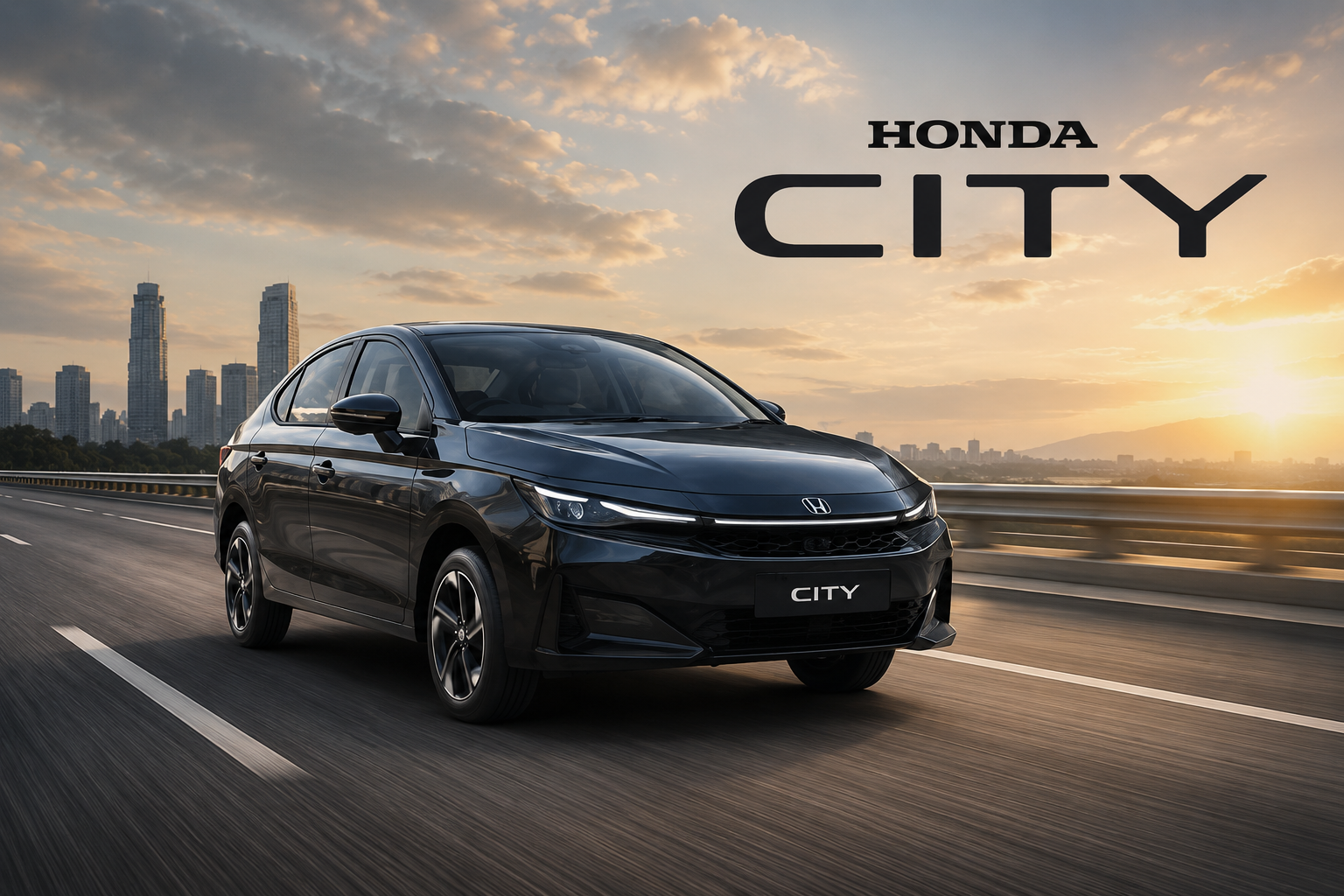
The executive sedan segment in India has been facing massive pressure from compact and mid-size SUVs. Yet, one nameplate has consistently managed to hold its ground for over two decades: the Honda City. With the arrival of the 2026 Honda City Facelift, the Japanese automaker is making a definitive statement. By introducing a sharper design, a more premium cabin, and an exceptionally intelligent strong-hybrid powertrain, Honda wants to prove that the traditional three-box sedan is far from dead.
If you are looking for a vehicle that blends executive luxury with cutting-edge fuel efficiency, this car demands your attention. We recently spent a significant amount of time putting the updated sedan through its paces in real-world driving conditions. Here is our comprehensive, deep-dive review of what works, what doesn’t, and whether this new iteration justifies its price tag.
7 Major Updates That Define the New 2026 Honda City Facelift
To keep things highly organized and easy to digest, let’s break down the core pillars of the new City. This includes its mechanical wizardry, interior changes, safety tech, and design tweaks.
1. The e:HEV Strong Hybrid Powertrain Matrix
The absolute crown jewel of the 2026 Honda City Facelift is its intelligent e:HEV strong-hybrid system. Unlike mild hybrids that merely assist the engine during acceleration, Honda’s strong-hybrid setup can drive the vehicle completely on electric power.
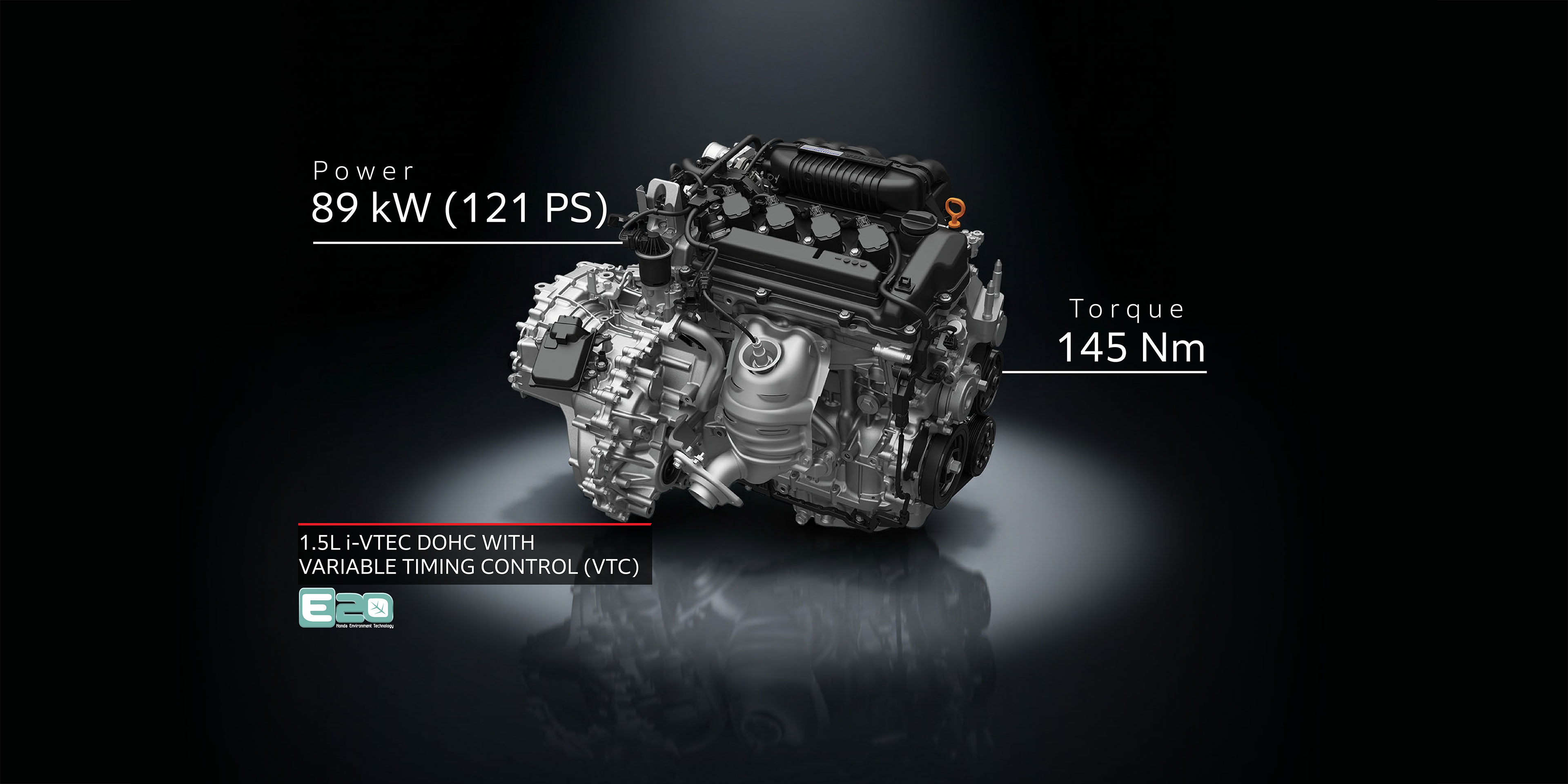
The powertrain combines a highly efficient 1.5-litre, 4-cylinder Atkinson Cycle DOHC i-VTEC petrol engine with a dual-motor electric setup. The system produces a combined maximum power of 107 bhp and a peak torque of 253 Nm right from a standstill. This massive torque is available from 0 to 3,000 rpm, translating into effortless, instantaneous acceleration.
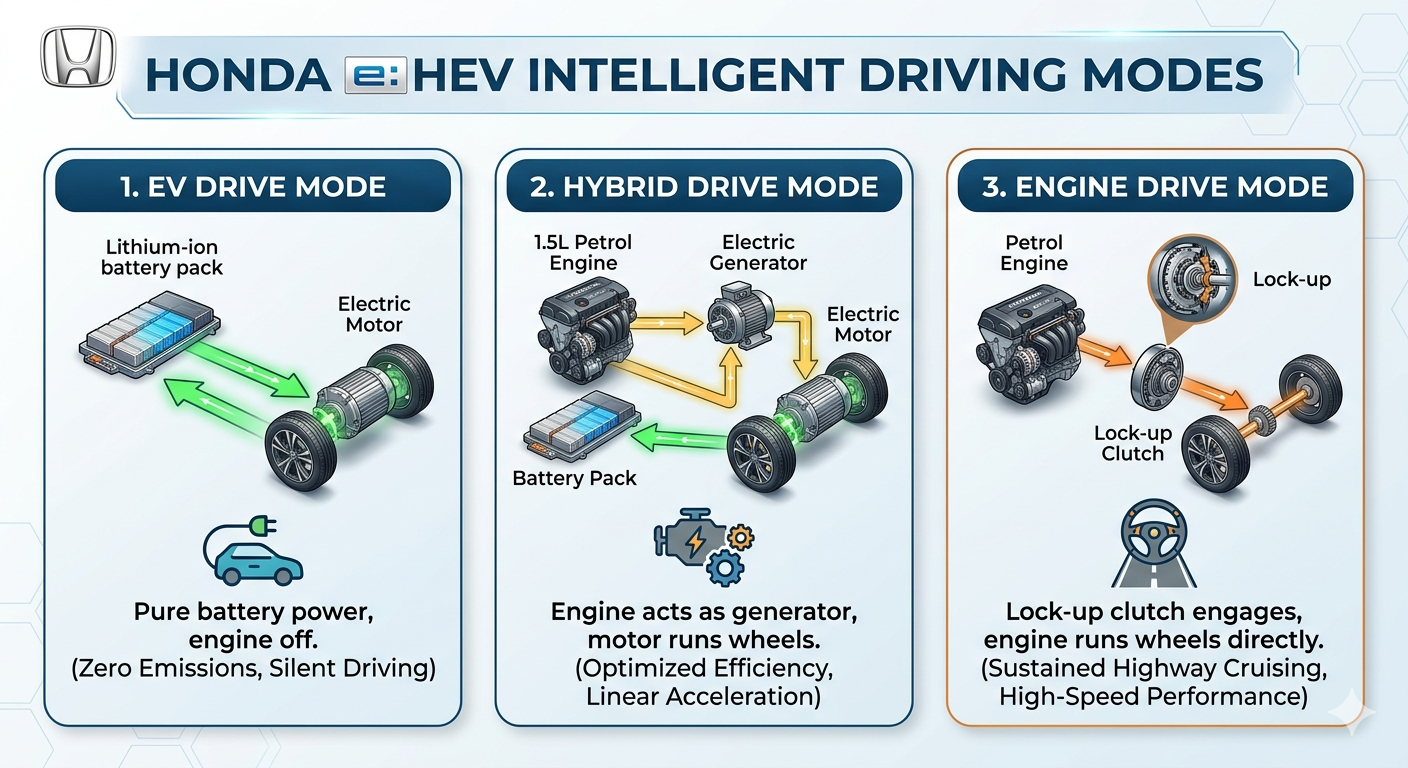
The system operates using an intelligent electronic control unit that handles switching between 3 distinct drive modes without any driver intervention:
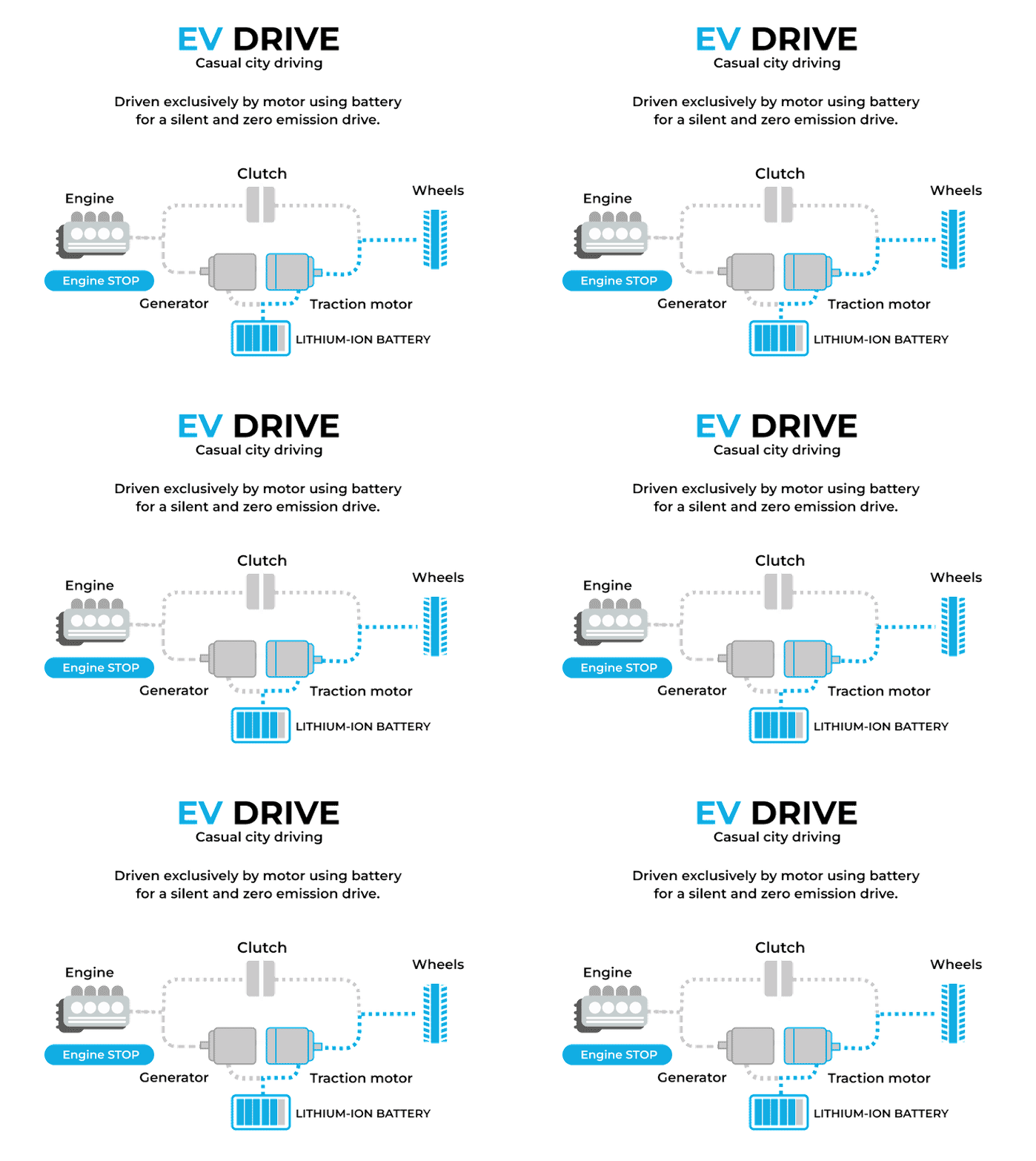
EV Drive Mode: The car runs entirely on electric power drawing energy from the lithium-ion battery package. This mode is active during initial acceleration, low-speed city crawling, and even during gentle highway cruising when momentum is maintained. It offers a completely silent, zero-emission driving experience.
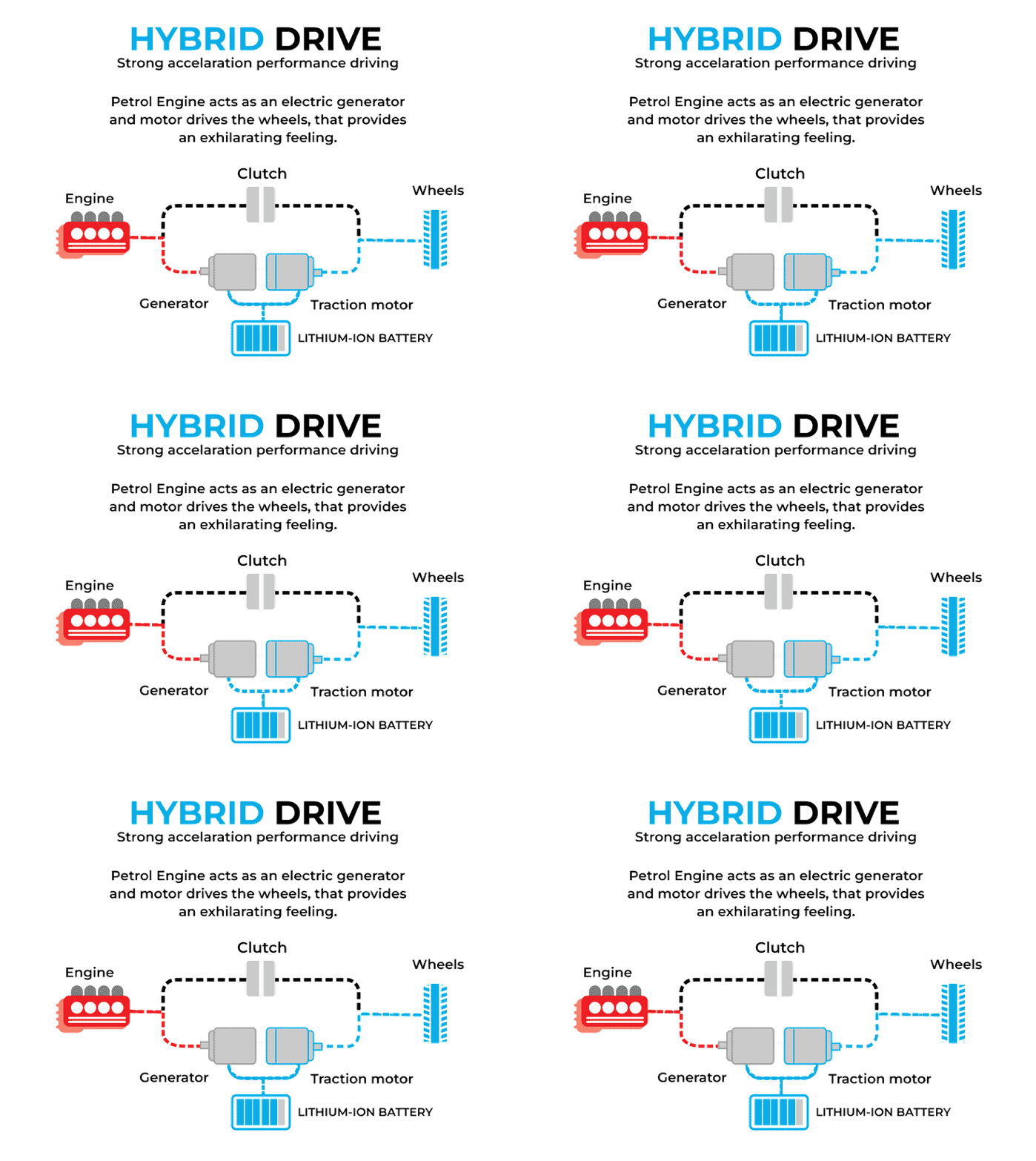
Hybrid Drive Mode: In this state, the petrol engine fires up but does not drive the wheels directly. Instead, it acts as an energy generator, producing electricity that is sent to the electric propulsion motor, which then spins the front wheels. This ensures that the engine always operates at its peak efficiency sweet spot.
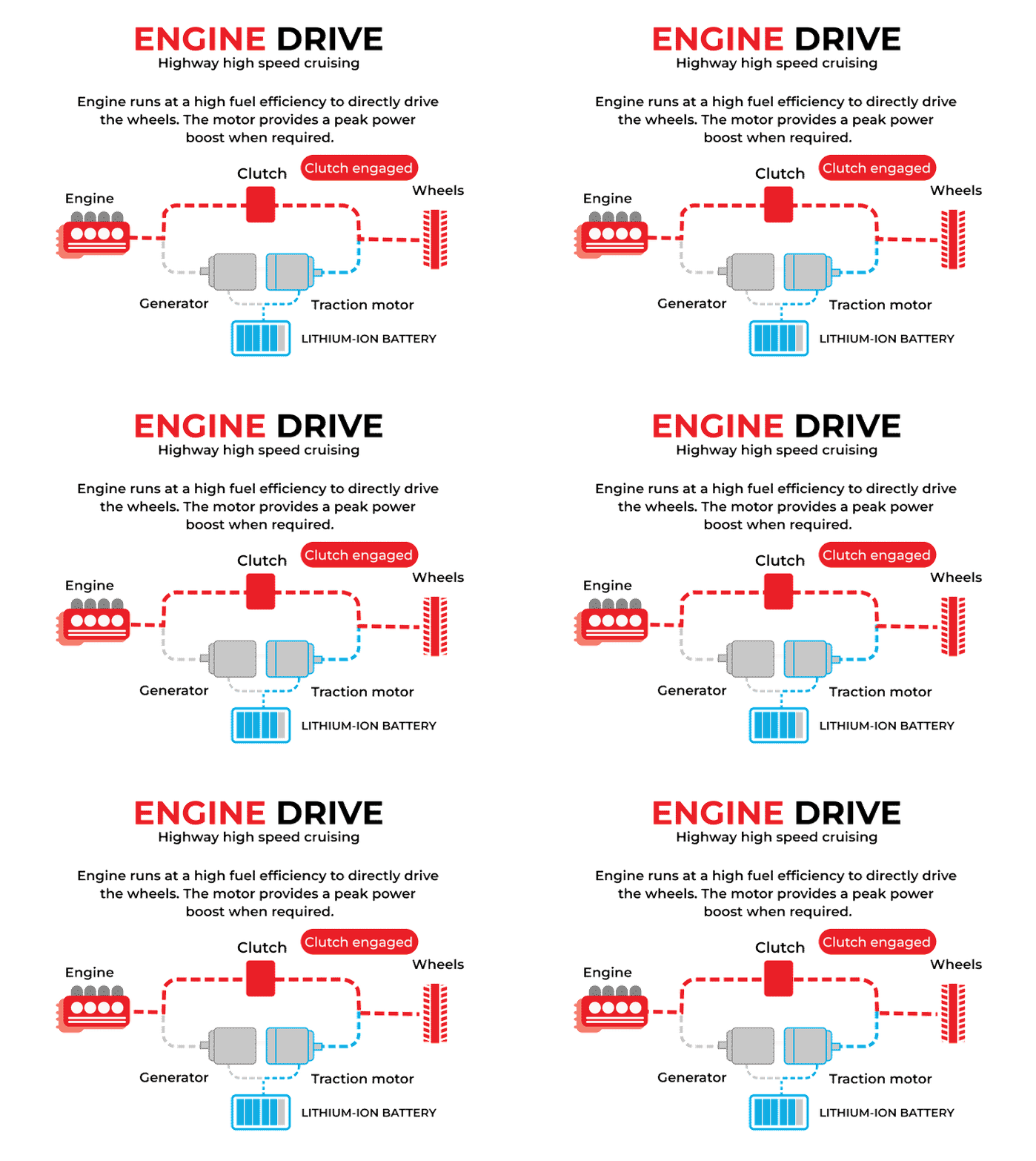
Engine Drive Mode: During high-speed highway cruising (typically above 80–90 km/h), a lock-up clutch engages. This connects the petrol engine directly to the front wheels via a fixed gear ratio. Because internal combustion engines are at their most efficient during constant high-speed cruising, this direct mechanical link bypasses electrical conversion losses completely.
2. Real-World Driving Dynamics and Transmission Quirks
Out on the open road, the immediate electric torque makes overtaking a breeze. The transition between the electric motor and the petrol engine is remarkably seamless; you barely notice when the engine kicks in unless you look at the energy flow diagram on the digital cluster.
However, it isn’t completely perfect. Under hard, floor-it acceleration, the engine revs up quickly to generate power, creating a noticeable drone inside the cabin. The e-CVT (electronic continuously variable transmission) can exhibit a slight rubber-band effect under sudden high load, meaning there is a brief lag between your right foot going down and the car executing rapid velocity changes. If you drive with a progressive, smooth inputs, the powertrain rewards you with unparalleled refinement.
3. Cabin Ambience, Ergonomics, and Space Limitations
Step inside the 2026 Honda City Facelift, and you are greeted by an upmarket environment. Honda has utilized premium soft-touch materials across the dashboard and door pads. The fit and finish are exceptional, featuring tight panel gaps and high-quality textures that elevate the overall cabin experience.
One of the biggest ergonomic wins in this car is the retention of physical tactile controls. While other manufacturers are moving towards clunky, all-touchscreen interfaces, Honda has kept physical buttons and chunky rotary knobs for the automatic climate control system. This lets you adjust the cabin temperature or fan speed perfectly while keeping your eyes firmly on the road.
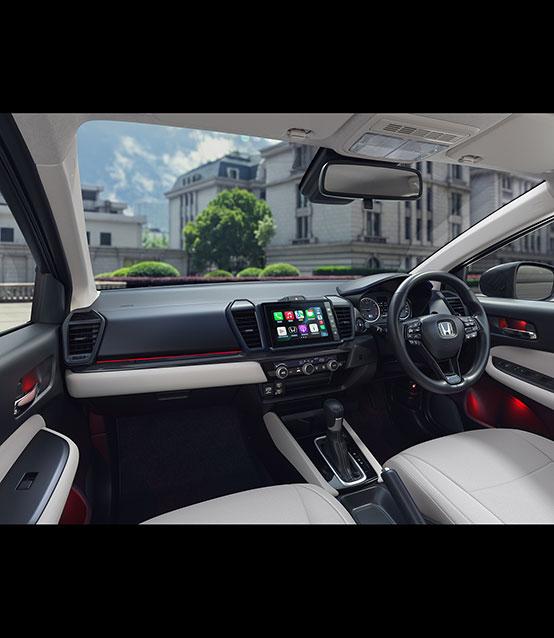
On the downside, interior packaging reveals a few compromises. The sleek exterior silhouette compromises cabin headroom. Front and rear headroom is noticeably limited, meaning individuals standing over six feet tall will likely find their hair brushing against the roof liner. Legroom and knee room, however, remain exemplary, thanks to the generous 2,600 mm wheelbase.
4. Ride Quality, Handling, and Ground Clearance Challenges
The suspension tuning of the new City strikes an outstanding balance between low-speed plushness and high-speed stability. Equipped with a MacPherson Strut setup at the front and a torsion beam at the rear, the dampers are calibrated to absorb sharp potholes, road expansion joints, and urban speed bumps with minimal body movement.
On highway stretches, the car sits beautifully planted. The electric power steering rack offers reassuring weight as speeds climb, delivering precise feedback that makes cornering predictable and engaging. Body roll is well-contained, allowing you to carry speed through highway sweeping bends with total confidence.
Critical Warning for Indian Roads: The unladen ground clearance is rated at 165 mm. While this sounds decent on paper, the soft dampening nature means that when the sedan is fully loaded with five occupants and luggage, it sits quite low. Drivers must use caution and approach oversized speed breakers or deep broken ruts at an angle to avoid scraping the belly plates.
5. Exterior Styling: Aggressive Front vs. Familiar Rear
Upfront, the 2026 Honda City Facelift boasts a heavily revised fascia. The grille features a honeycomb mesh pattern, complemented by a sleek chrome bar that flows into the sharp, inline-LED headlamps. The front bumper has been reprofiled with sporty, aggressive fog lamp housings and a sharper lower lip spoiler, giving the sedan a wider, more purposeful stance on the road.
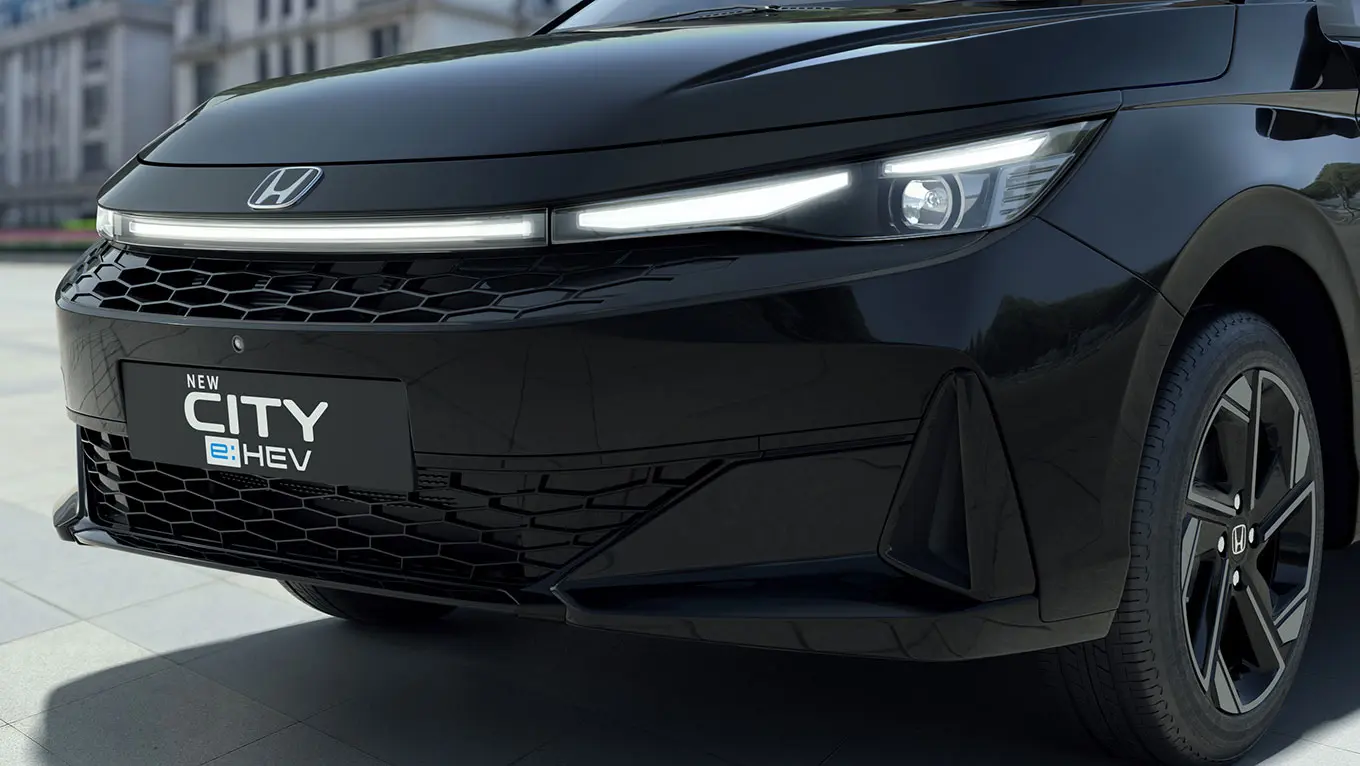
Move along the side, and the clean shoulder line carries over to the back, riding on stylish 16-inch dual-tone diamond-cut alloy wheels wrapped in 185/55 R16 tubeless tyres. The rear profile, however, leaves a bit to be desired. Apart from minor diffuser-style tweaks on the lower bumper and updated LED element layouts inside the taillights, the rear looks largely identical to the pre-facelift model. It’s starting to show its age compared to the fresh styling seen at the front.
6. Infotainment and Tech Features Checklist
Honda has loaded the 2026 City with an extensive suite of comfort and convenience features tailored for daily commuting:
10.1-inch Touchscreen: Houses Apple CarPlay and Android Auto. While large and highly legible, its upright positioning can look like an aftermarket add-on rather than a seamlessly integrated unit.
7-inch Digital Instrument Cluster: Displays a wealth of information, including real-time hybrid power-flow telemetry, trip details, and ADAS warnings.
360-Degree Camera: Provides a bird’s-eye view for tight parking maneuvers. Unfortunately, the video feed quality is quite grainy and low-resolution, making it difficult to spot smaller obstacles in low-light environments.
Next-Gen Honda Connect: Offers advanced internet-connected features like remote vehicle status checks, geofencing alerts, unauthorized entry notifications, and smart-watch connectivity.
7. Advanced Driver Assistance Systems (ADAS) Integration
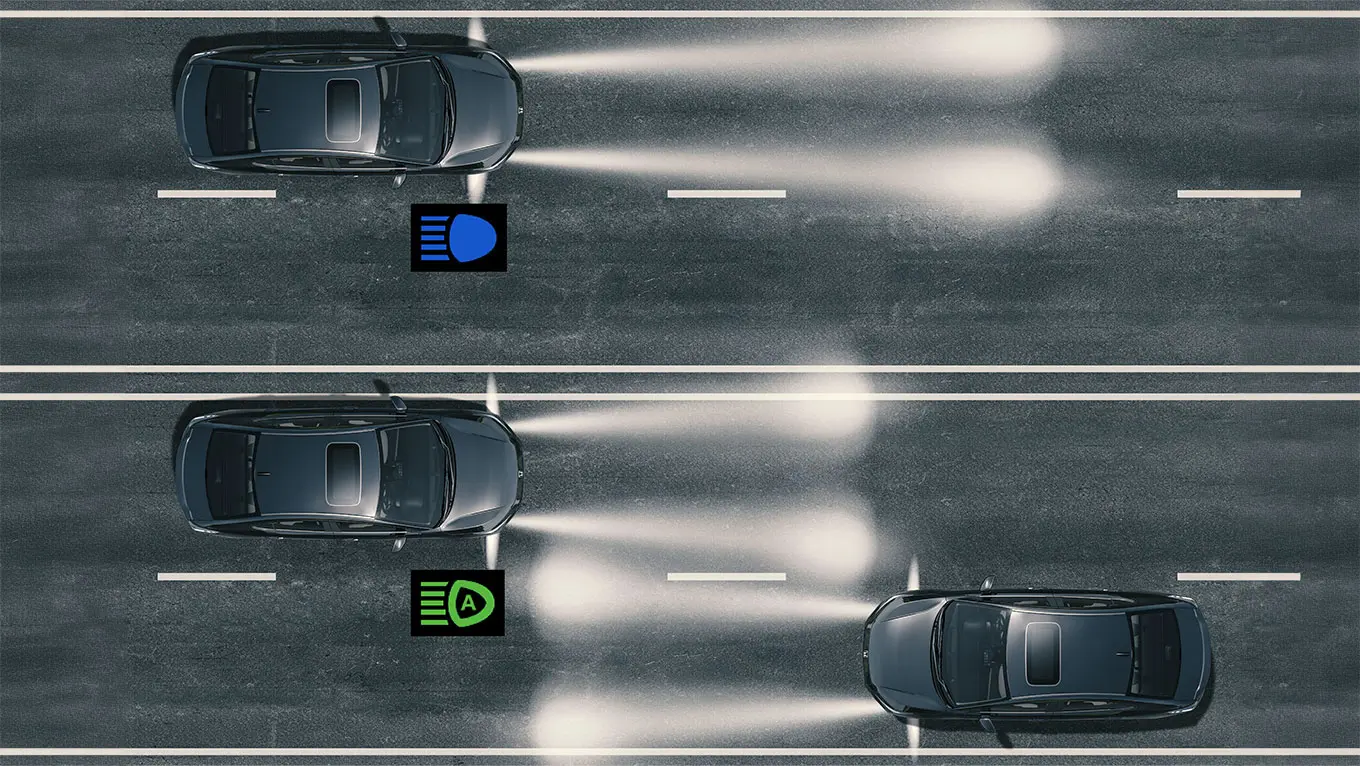
Safety gets a major boost via the updated Honda Sensing suite. Unlike older camera-only systems that struggled in heavy downpours, the 2026 model utilizes a high-performance front camera system with wider detection angles to monitor road markings and preceding traffic accurately.
The active safety layout includes:
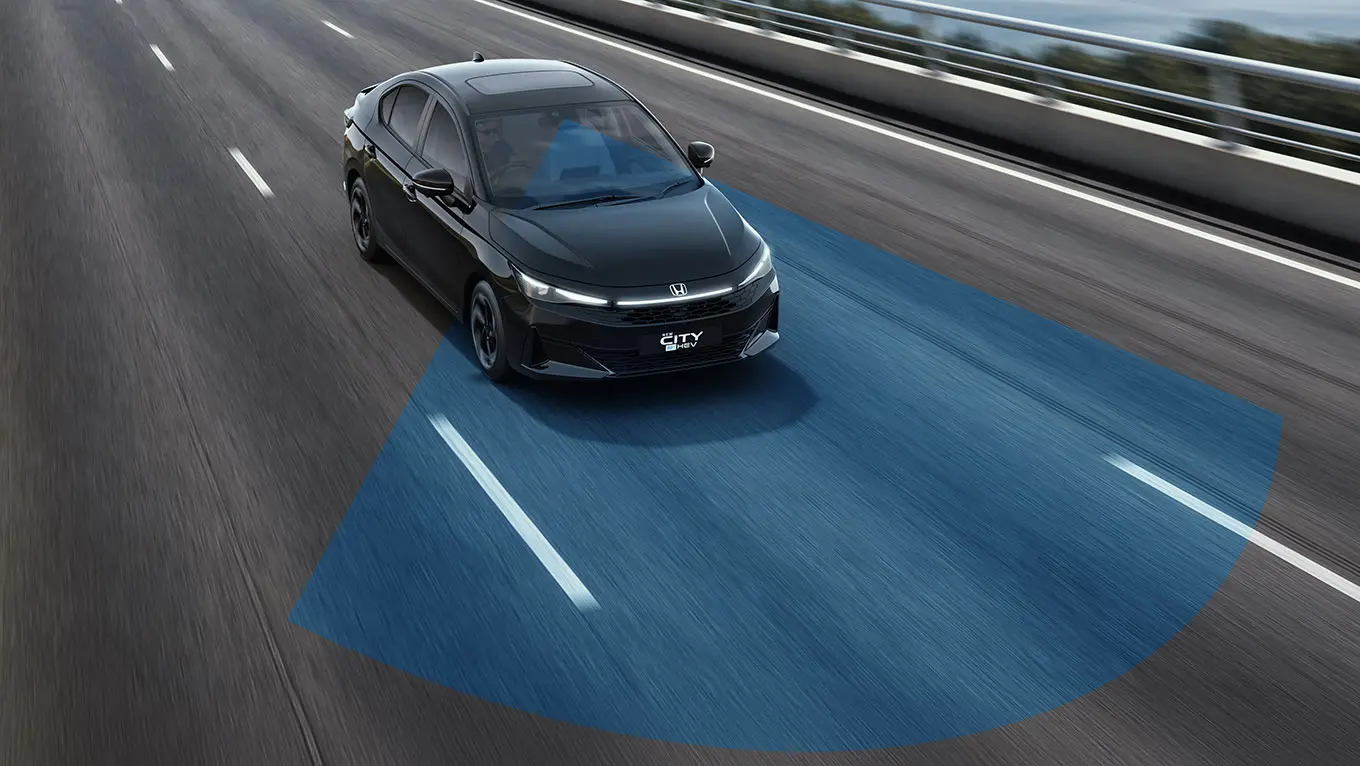
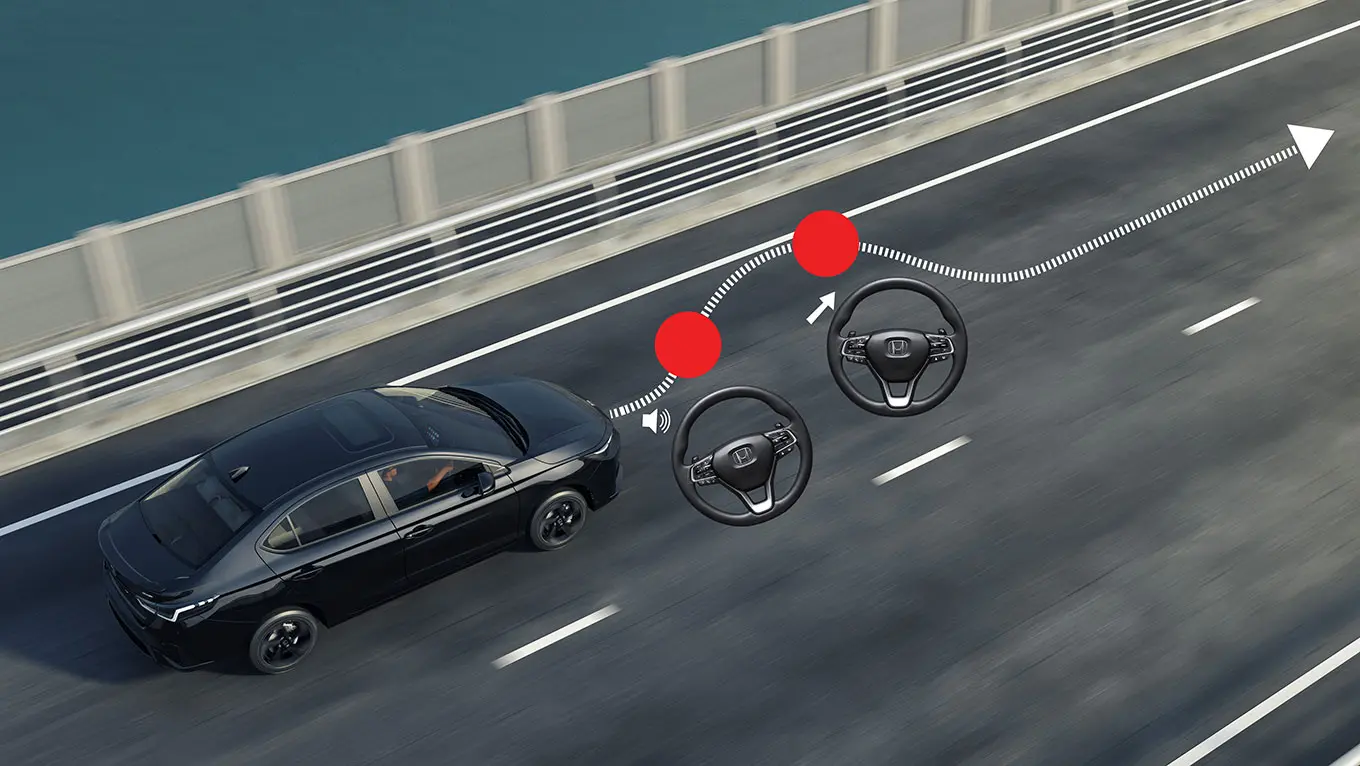
Lane Keep Assist System (LKAS): Gently nudges the steering wheel to keep you centered in your lane.
Road Departure Mitigation System (RDM): Warns you and applies braking force if the car drifts completely off the tarmac.

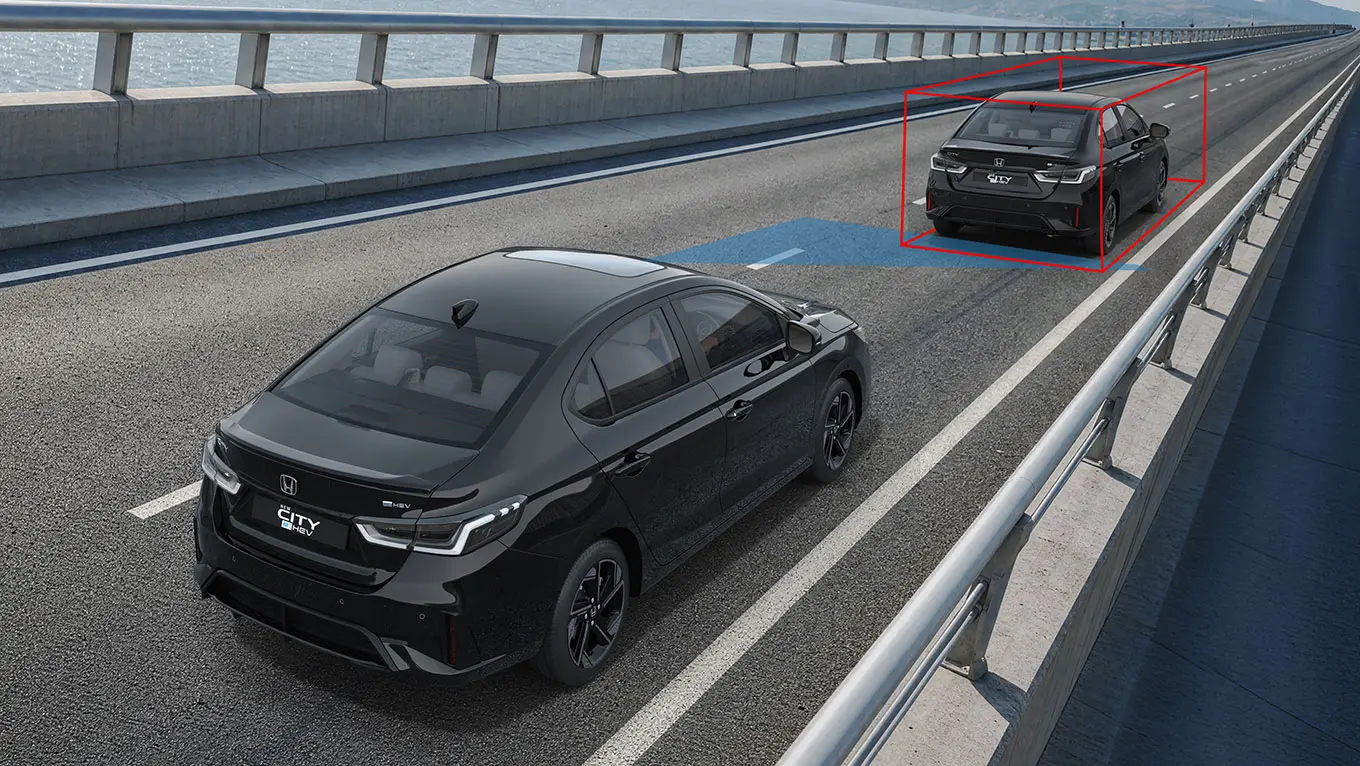
Adaptive Cruise Control (ACC): Automatically modulates speed to maintain a safe tracking distance from the car ahead.
Collision Mitigation Braking System (CMBS): Warns the driver and applies autonomous emergency braking if a collision with a vehicle or pedestrian is imminent.
Detailed Technical Specifications Table
For buyers who love to analyze the hard numbers, here is the official specification breakdown for the flagship strong-hybrid variant:
| Parameter Category | Specific Technical Dimension / Metric Value |
| Engine Configuration | 1.5L Atkinson Cycle i-VTEC, 4-Cylinder, 16-Valve DOHC |
| Engine Displacement | 1498 cc |
| Combined Maximum Power | 107 bhp @ 3,500 rpm |
| Combined Peak Torque | 253 Nm @ 0 – 3,000 rpm |
| Transmission Unit Type | Electronic Continuously Variable Transmission (e-CVT) |
| Drivetrain Layout | Front-Wheel Drive (FWD) |
| ARAI Certified Mileage | 17.97 kmpl (Petrol Hybrid Variant) |
| Fuel Tank Capacity | 40 Litres |
| Braking Components | Ventilated Discs (Front) / Solid Discs (Rear) |
| Suspension Architecture | MacPherson Strut (Front) / Torsion Beam Twist Axle (Rear) |
| Overall Length | 4594 mm |
| Overall Width | 1748 mm |
| Overall Height | 1489 mm |
| Wheelbase Length | 2600 mm |
| Unladen Kerb Weight | 1294 kg |
| Boot Space Volume | 306 Litres (Hybrid components occupy partial lower floor) |
| Ground Clearance | 165 mm (Unladen) |
| Standard Tyre Spec | 185/55 R16 Radial Tubeless Tyres |
Comprehensive Variant and Price Breakdown
Honda offers the new City across multiple trim configurations to suit varied budgets, starting from the baseline petrol options up to the feature-loaded e:HEV strong hybrid. Below is the updated ex-showroom pricing structure:
[City SV Manual]        -------------------------> Rs. 11,99,900
[City V Manual]         -------------------------> Rs. 13,29,900
[City V CVT Automatic]  -------------------------> Rs. 14,29,900
[City ZX Manual]        -------------------------> Rs. 15,25,900
[City ZX Plus Manual]   -------------------------> Rs. 16,14,900
[City ZX CVT Automatic] -------------------------> Rs. 16,25,900
[City ZX Plus CVT Auto] -------------------------> Rs. 17,14,900
[City ZX Plus Hybrid]   -------------------------> Rs. 20,99,900
Note: All prices indicated are ex-showroom, subject to regional road taxes, registration mandates, and local dealership insurance tariffs.
The Verdict: Who Should Buy the 2026 Honda City Facelift?
The 2026 Honda City Facelift is a highly polished package. Honda has managed to retain the classic sedan virtues—a premium cabin, elegant styling, and balanced driving dynamics—while successfully integrating future-proof hybrid technology.
If your daily routine involves heavy stop-and-go city commutes interspersed with long weekend highway drives, the strong-hybrid variant will reward you with exceptional real-world fuel economy numbers that can easily rival or outperform small diesel hatchbacks. It delivers power instantly, feels exceptionally stable at highway speeds, and protects your family with a robust suite of ADAS safety tech.
However, if you are a tall individual, you must test out the seating positions first due to the limited rear headroom. Additionally, if you frequently traverse poorly constructed rural roads with deep ruts, the low ground clearance will require a cautious driving approach.
Ultimately, by pricing the entry-level variants on par with the outgoing models, Honda has created an incredibly compelling value proposition. It proves that for the discerning executive buyer, a well-engineered sedan still offers an unmatched blend of grace, comfort, and sophistication.